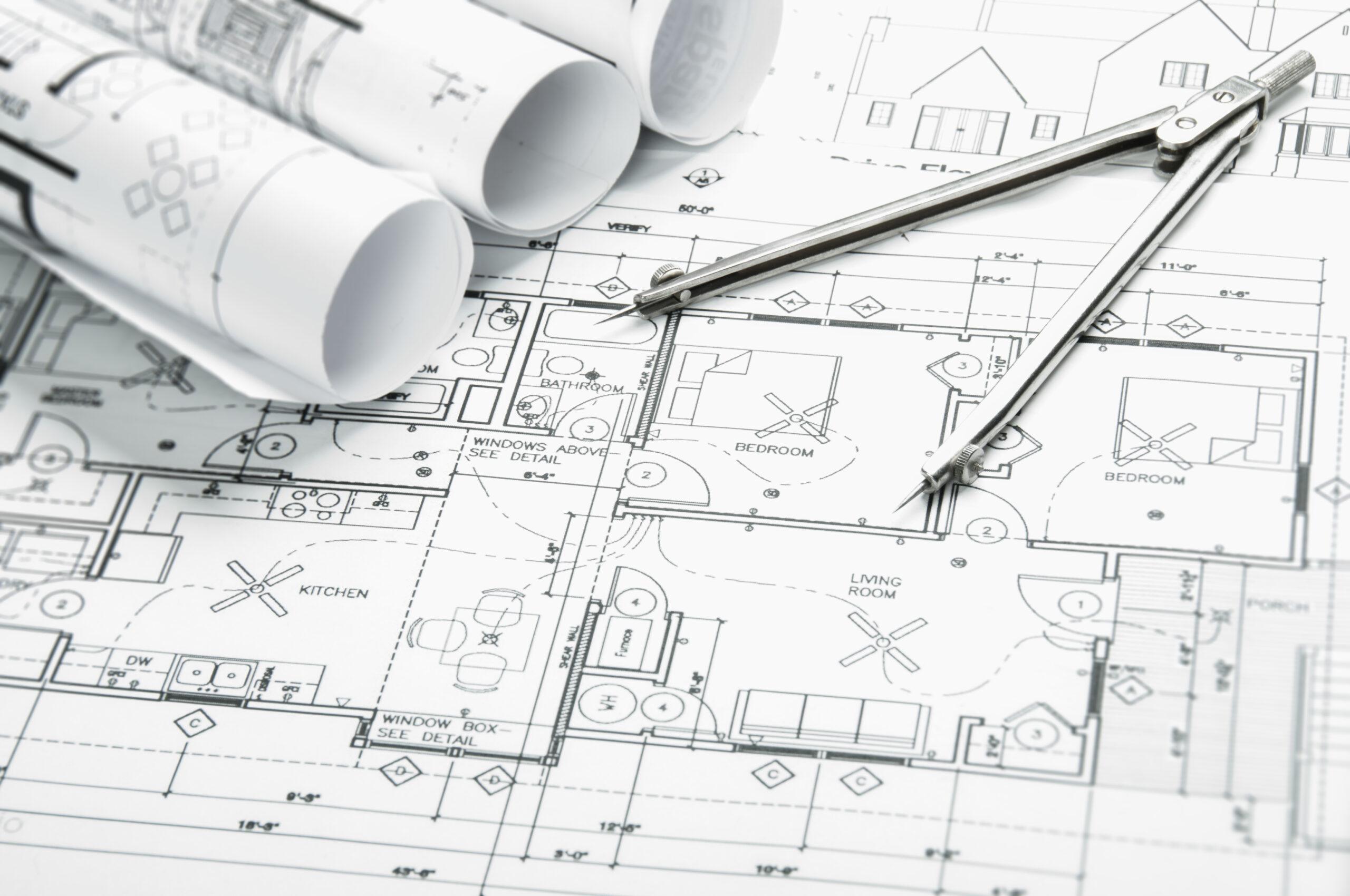

For a luxury custom home, the interior designer should usually join while the architecture is still being developed—not after the construction drawings are finished. The exact timing depends on the project, but bringing the designer in during schematic design or early design development gives the team time to coordinate interiors with the architecture before changes become expensive.
That does not mean every pillow, fabric and accessory needs to be selected on day one. It means the decisions that affect construction should have an owner early enough to influence the drawings.
Interior design affects much more than finishes
On a highly customized home, the interior designer may influence:
- kitchen and pantry layouts;
- cabinetry and millwork;
- appliance sizes and locations;
- plumbing fixtures;
- lighting design and decorative fixtures;
- electrical outlets and controls;
- ceiling treatments;
- fireplaces and feature walls;
- flooring transitions;
- door and hardware selections;
- stone and tile layouts;
- closets and built-ins;
- window treatments and shade pockets;
- furniture clearances that affect room proportions.
Many of those items ultimately need to appear in architectural, electrical, plumbing or cabinetry documents. If the designer arrives after those documents are largely complete, the team may have to redraw work that could have been coordinated correctly the first time.
A good time to engage the designer: before the floor plan is locked
The interior designer does not need to control the architecture, but they should have an opportunity to review the spaces before the major relationships are fixed.
For example, a kitchen may technically fit on the architectural plan but still need adjustment once appliance widths, cabinet details, island seating, lighting and circulation are considered. A primary bathroom may need wall thickness or window changes once the vanity, mirrors, shower, tub and storage are actually designed.
Those changes are easier when they happen on paper.
What can wait until later
Not every decision has the same deadline.
Loose furniture, decorative accessories and some softer finish selections can often develop later. Construction-dependent decisions need much earlier coordination.
A useful preconstruction schedule separates selections into groups:
- Architecture-critical: items that can change walls, openings, structure or ceiling geometry.
- Rough-in critical: plumbing, electrical, lighting, AV, appliance and mechanical decisions.
- Long-lead: products that need to be ordered early even if installation is far away.
- Finish-stage: selections that can reasonably wait until the house is further developed.
That sequencing keeps owners from feeling that every selection must be made at once while still protecting the construction schedule.
Early designer involvement helps the budget too
Interior scope can represent a substantial portion of a luxury home’s final construction cost.
Cabinetry, stone, plumbing, lighting, appliances, specialty finishes, fireplaces, millwork and hardware can vary dramatically in price. If those categories remain undefined while the builder is developing a construction budget, the budget can contain large allowances that make the total look more precise than it really is.
When the designer helps establish the intended quality level early, the builder can price against a clearer target.
That is one of the purposes of builder-led preconstruction: progressively replace assumptions with actual scope and selections.
Late design decisions can create expensive ripple effects
A late change rarely affects only one trade.
Moving a freestanding tub might alter plumbing, slab work, tile layouts and lighting. Changing a refrigerator package can affect cabinetry, electrical and ventilation. Adding motorized shades may require pockets, power and control wiring. A new ceiling detail may interfere with ducts or recessed lighting.
No one of those decisions is unusual. The problem is discovering them after the related work has already been designed, priced or installed.
The architect, designer and builder need a clear division of responsibility
Early involvement only helps if everyone knows who owns which decisions.
Before the project gets deep into design, clarify:
- who is responsible for interior architectural details;
- who draws cabinetry and millwork;
- who develops lighting layouts;
- who selects plumbing fixtures and appliances;
- who coordinates finish schedules;
- who confirms selections against budget;
- who maintains the decision schedule;
- who has final owner approval.
Some architects have substantial interiors capabilities. Some clients use a separate interior-design firm. Either model can work. What does not work well is assuming someone else is handling a decision until the jobsite needs the answer.
If you already hired the architect, it is not too late
If architectural design has started and no interior designer is involved yet, bring one in before assuming you have missed the window.
The team can review what is already decided, identify areas where interior scope still affects architecture, and establish a selection schedule for the remaining work.
The earlier this happens, the easier the coordination tends to be.
What about a renovation?
The same principle applies to major renovations—sometimes even more strongly.
Existing structural conditions and limited space can make every inch matter. If a kitchen, primary suite or great room is being reconfigured, the designer’s input can affect wall locations, openings, ceiling work and systems routing. On substantial projects, bring the designer in before demolition plans and construction documents are finalized.
A simple rule
If an interior decision can change the architecture, structure, rough-in or procurement schedule, the designer responsible for that decision should be involved before those items are locked.
You do not need every finish selected before design begins. You do need a coordinated team and a realistic decision schedule.
Explore Bella’s preconstruction process, learn more about custom homes, or start your project brief.