A builder can help prevent a custom-home design from drifting beyond budget by providing construction-cost feedback while the architecture is still flexible. That means reviewing evolving plans, identifying major cost drivers, obtaining trade input, testing allowances and updating the estimate at meaningful design milestones.
The builder should not control the architecture. The builder should give the architect and owner better information so design decisions can be made with a realistic understanding of construction impact.
Set the Budget Before the Design Becomes Detailed
The team needs more than a target number. It needs to understand what that number is expected to include: site work, home construction, pool, landscape, major systems, allowances and contingency.
If the architect is designing to one definition of “budget” while the owner is thinking about another, misalignment can begin immediately.
Estimate More Than Once
Waiting until permit drawings are complete to price the home is one of the easiest ways to discover a large budget gap late.
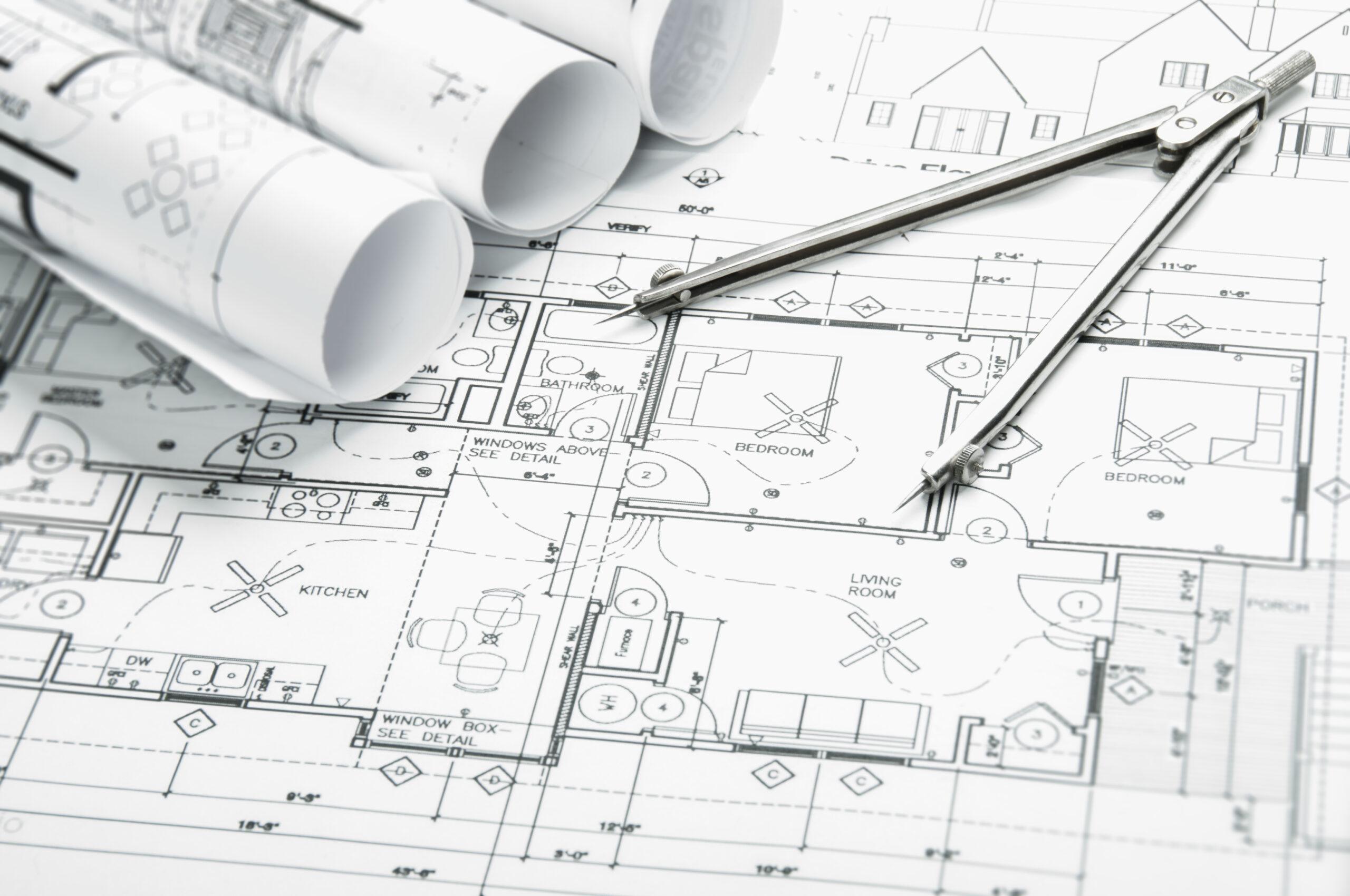
A better process uses estimating checkpoints during concept and design development, then becomes more detailed as engineering and selections advance.
Identify the Cost-Driving Design Moves Early
The builder can help flag decisions such as:
- major cantilevers or structural spans
- large glazing systems
- complex roof geometry
- extensive retaining walls
- below-grade construction
- large custom millwork packages
- highly articulated exterior forms
- significant pool and landscape scope
The point is not to eliminate them. It is to understand their impact before the design depends on all of them simultaneously.
Bring Trade Expertise Into the Design
For important systems, early subcontractor or supplier input can improve both cost and constructability. Structural steel, glazing, HVAC, cabinetry, lighting and specialty finishes are common examples.
That feedback can help the architect refine details before they are expensive to redraw.
Resolve Allowances Earlier
A home can appear within budget because key finish categories are represented by placeholder allowances. If the actual design intent is materially higher, the budget gap has only been hidden.
Interior-design participation and early selections can replace assumptions with real information.
Use Value Engineering as Design Optimization
Value engineering should not mean stripping quality out of the home after the fact. Done well, it asks whether there is a simpler way to achieve the same design intent.
Sometimes that means changing a structural approach, simplifying a repeated detail, adjusting material use or concentrating expensive features where they have the greatest effect.
Keep the Site in the Conversation
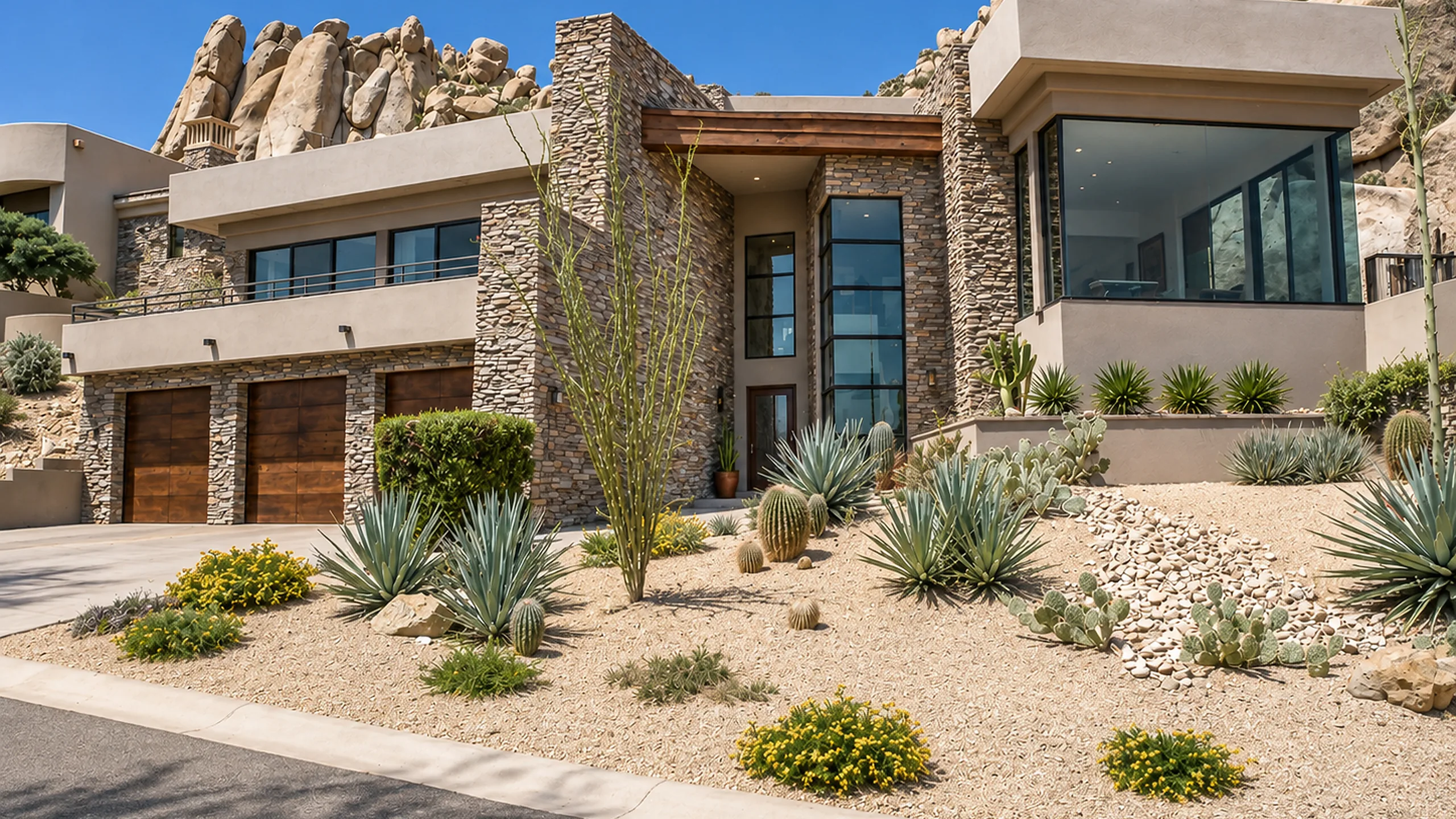
On Scottsdale properties, grading, drainage, retaining, access, utilities and hillside conditions can materially affect the budget before the visible architecture is considered.
The builder, architect and civil team should understand those realities together.
We do not think the answer is “architect first” or “builder first.” The better answer is to get the right people collaborating before the design becomes difficult to change.
Our preconstruction process is built around connecting property, architecture and budget early. You can also read Builder or Architect First?
Frequently Asked Questions
Should the builder attend design meetings?
For major budget, scope and constructability decisions, builder participation can be valuable. Not every design meeting requires the full team.
Can an architect give me a construction budget?
Architects can provide planning guidance, but current builder and trade input can improve construction-cost feedback as the design develops.
What if the design is already over budget?
The team should identify the largest cost drivers first, protect the owner’s highest priorities and evaluate changes that produce meaningful savings without weakening the overall design.
How Bella helps connect architecture to the intended budget
Bella can work with the architect and consultants while design is evolving, using site information and practical construction input to test expensive decisions before they become part of completed drawings. Large openings, structural spans, hillside access and specialty finishes can change the budget together. Early collaboration helps the owner choose deliberately what is worth preserving and what alternatives should be explored, rather than discovering late that the entire design needs to be simplified.
Bring Bella into early planning, or ask Bella directly using the short form below.