An unfinished home asks you to see two things at once: the rooms taking shape in front of you and the life you could have there. That can be exciting. It can also make it difficult to tell which details are settled, which are still flexible, and what will actually be included when the home is complete.
If you are considering buying a luxury home under construction in Scottsdale, the most useful next step is a careful review of the residence as it is being delivered. You do not need to become a construction expert. You need a clear picture of the home, the remaining decisions, and the path to completion.
Start with Bella Legacy’s residences and confirm the current status of any home that interests you. A “coming soon” description is an invitation to ask for details; it does not establish availability, a completion date, or an opportunity to change the design.
Begin with the plan you would be buying
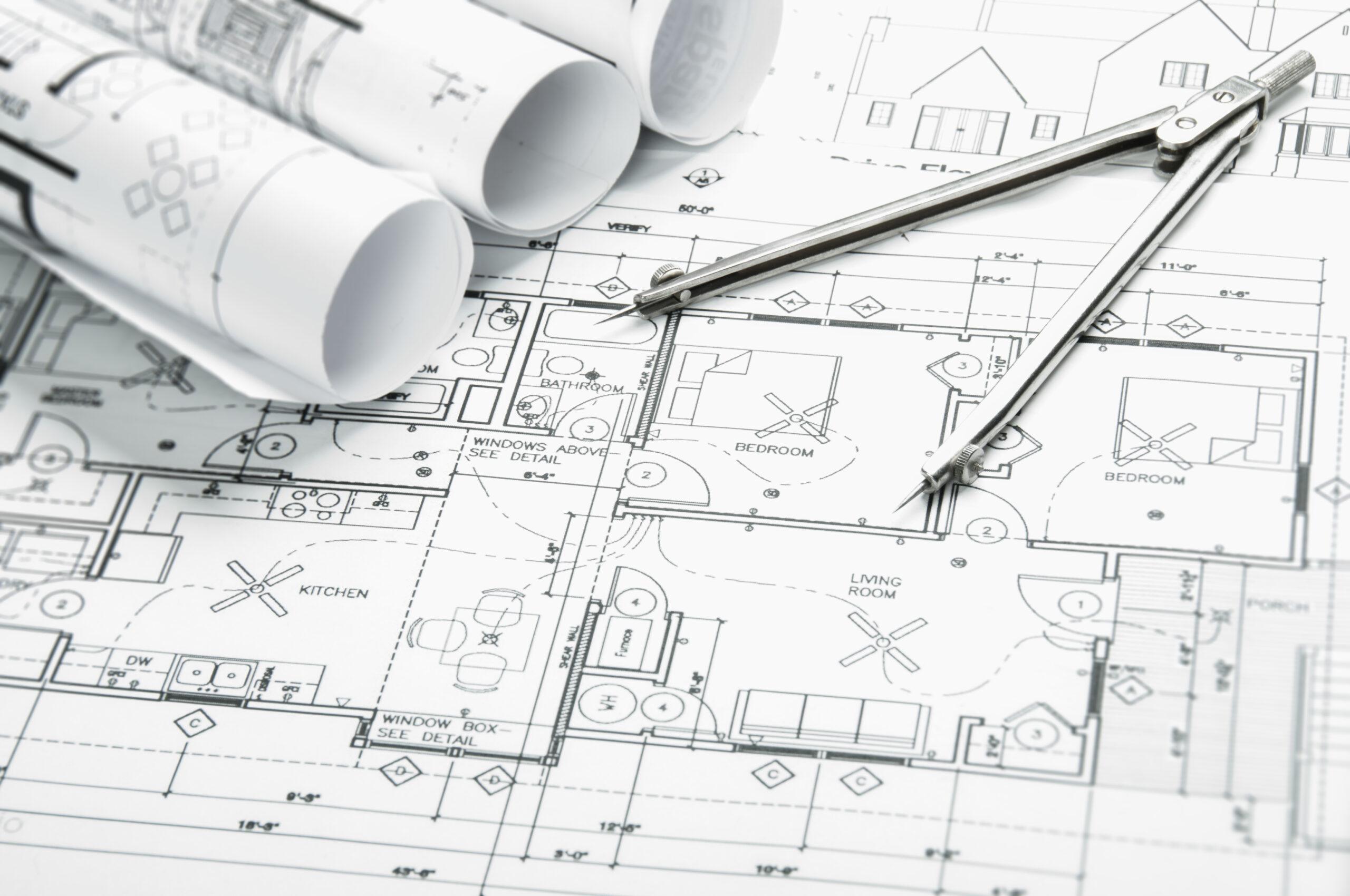
Before discussing finishes, spend time with the floor plan and site plan. Imagine an ordinary morning, a house full of guests, and a quiet evening. Where would you work? How would visitors move between their rooms and the main living spaces? Is the route from the garage to the kitchen convenient? Where would the things you use every day actually go?
Ask for dimensions where they matter to you. A room label such as “study” or “guest suite” tells you less than its proportions, privacy, storage, and relationship to the rest of the home. If possible, review the plan alongside an accompanied site visit, arranged with the builder. The drawings can explain what an unfinished space does not yet reveal.
Look for a home whose fundamental layout already suits you. Finishes can be appealing, but they will not resolve a room arrangement that consistently works against your routine.
Separate the images from the specifications
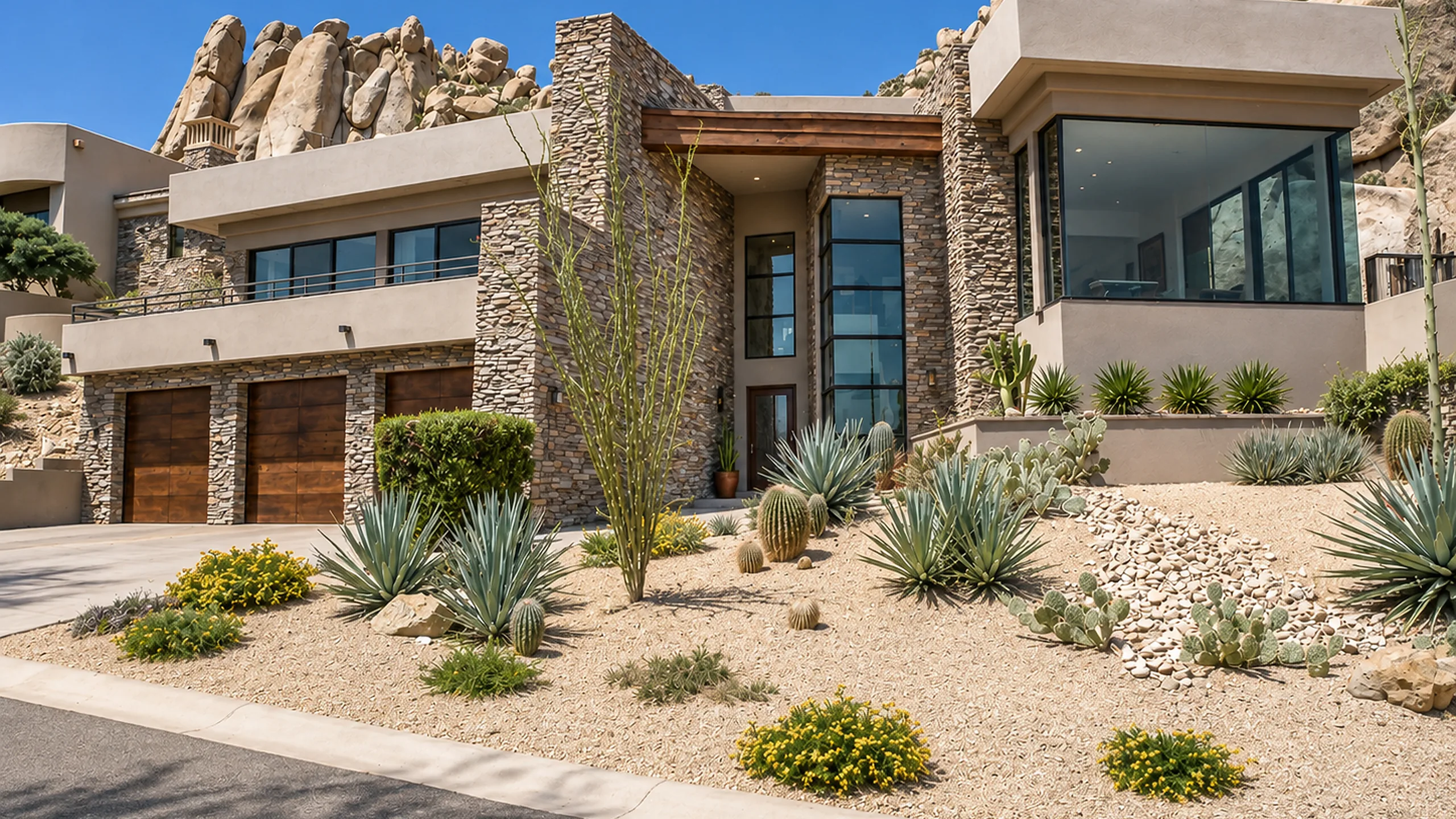
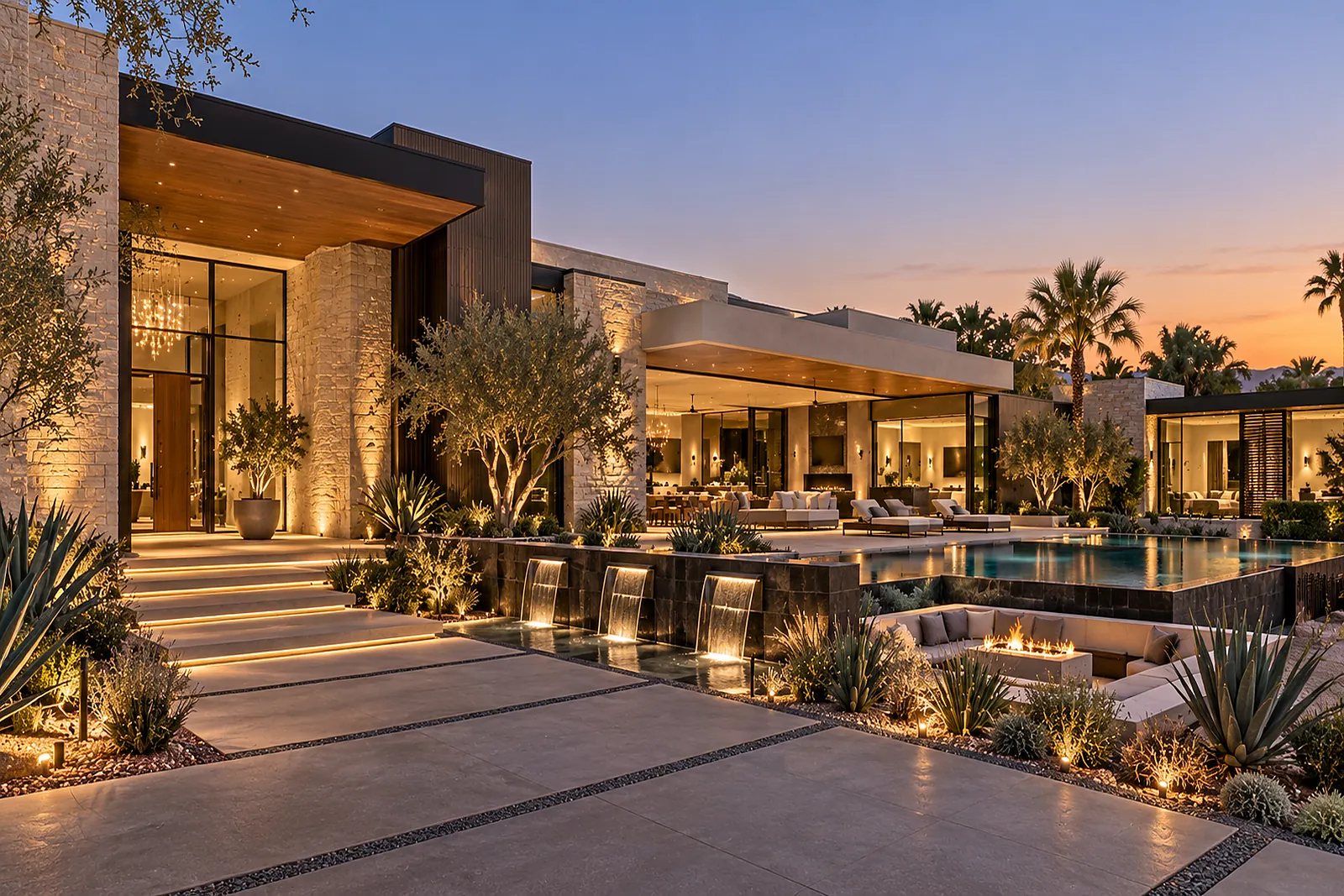
Renderings help communicate atmosphere and design intent. They may also show furniture, mature landscaping, decorative lighting, or other details that are illustrative rather than included. Ask which images represent the current design, when they were prepared, and where they differ from the specifications.
The useful companion to a rendering is a written description of what is being delivered. Review the principal materials and systems, including flooring, cabinetry, appliances, plumbing fixtures, windows and doors, and the outdoor improvements that matter to you. Where a selection is still open, ask what is currently intended and how the final choice will be confirmed.
This need not become a discussion about every hinge during the first visit. Begin with the elements that shape your decision, then work through the detail with the appropriate team before making a commitment.
Ask what can still change—and what is already committed
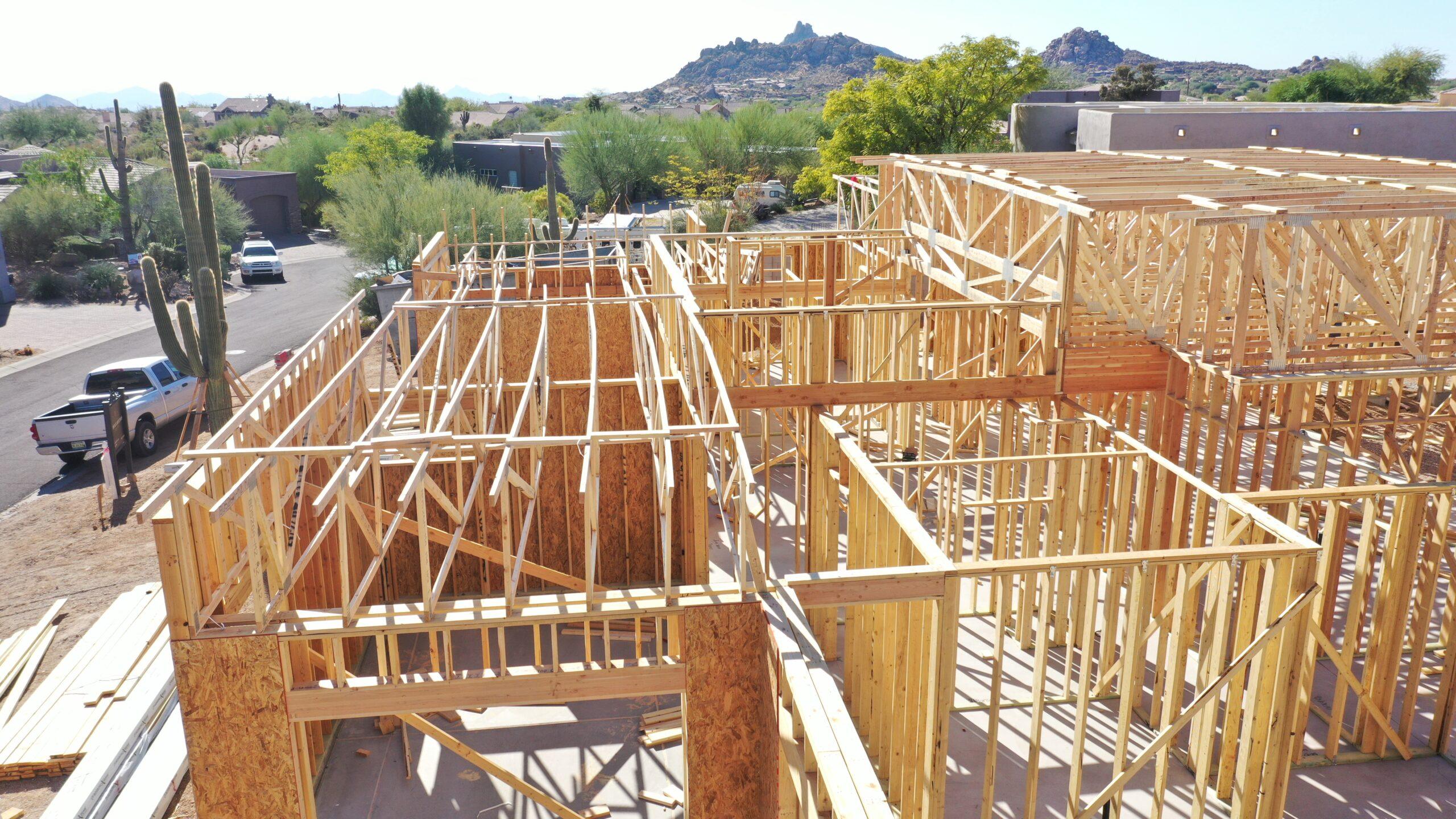
A home can look unfinished while many of its decisions are already fixed. Cabinetry may be in fabrication. Stone may have been selected. Mechanical layouts and electrical locations may already reflect the approved design.
Ask the builder to distinguish three things: selections that remain open, changes that could be considered after review, and work that will remain as designed. For any change you care about, discuss feasibility, cost, timing, and the point at which a decision is needed before assuming it can be accommodated.
It helps to arrive with a short list. Separate a preference you could comfortably live without from something essential to your use of the home. If you would need to alter the layout, major systems, and much of the design to feel at home, a fully custom residence may deserve a separate conversation.
Review outdoor living as carefully as the interior
On a Scottsdale homesite, take time to understand the relationship between the house, covered patios, pool area, neighboring properties, and views. Ask the team to explain orientation and shade through the day; a single visit captures only one moment.
Consider where you would sit for breakfast, host dinner, or find privacy when guests are staying. Confirm which outdoor elements are included in the residence and which are simply shown as possibilities. Pool equipment, landscape lighting, irrigation, exterior cooking areas, and shade structures all deserve a clear description when they are part of the proposal.
For a closer look at the design considerations behind these questions, read the features that help an Arizona home live well.
Understand the remaining work behind the expected completion date
Rather than asking only “When will it be finished?”, ask what remains and which milestones determine the answer. The explanation should help you understand the sequence: outstanding materials, installation, testing, exterior work, inspections, and final corrections, as applicable to that residence.
Keep construction progress, occupancy approval, your purchase arrangements, and your moving plans distinct. The City of Scottsdale’s Certificate of Occupancy guidance connects occupancy to the inspection and certification process. A home’s appearance alone does not establish its occupancy status. Confirm the documentation and remaining requirements for the specific property with the project team and the appropriate jurisdiction.
If you are coordinating a move from another state, a lease, or the sale of your current home, explain that early. Ask how progress will be communicated and when the expected completion date will next be reviewed. The aim is to plan around current information rather than a date that has not been revisited.
Make the handover part of the conversation
A final walkthrough is more useful when you know what it is meant to cover. Ask how you will review the home, how outstanding items will be recorded, and who will coordinate their resolution. Clarify the arrangements for any independent inspection with your real estate adviser and the builder.
Also ask about the information you will receive for living in the home: operating instructions, equipment details, maintenance recommendations, warranty documents, and the contact route for questions after handover. The precise coverage and responsibilities should come from the written documents for that home, rather than assumptions based on another purchase.
For a seasonal residence, think about who will manage maintenance while you are away. Understanding the systems before move-in can make those arrangements much easier.
Bring a short, useful list to the next conversation
You can make the next meeting productive with six questions:
- Which plans and specifications describe the home as it will be delivered?
- What is included in the residence, inside and outside?
- Which selections remain open, and when do they need to be resolved?
- What work and approvals remain before completion and occupancy?
- How will progress and any changes be communicated?
- What will the walkthrough, handover, and aftercare process include?
Bring your own priorities alongside that list. A need for guest privacy, a particular working arrangement, or a firm moving constraint is more helpful than a general request for “something luxurious.”
Start with a residence that feels right for you
Buying a home already taking shape can be a rewarding way to find a thoughtfully designed residence without beginning with a blank sheet. The right fit comes from understanding both the design you love and the details of what you are buying.
If a Bella Legacy residence has caught your attention, tell us which home interests you and what matters most in your next move. We can begin with the residence and your questions. If your priorities point toward something designed entirely around you, we can explore that direction too.