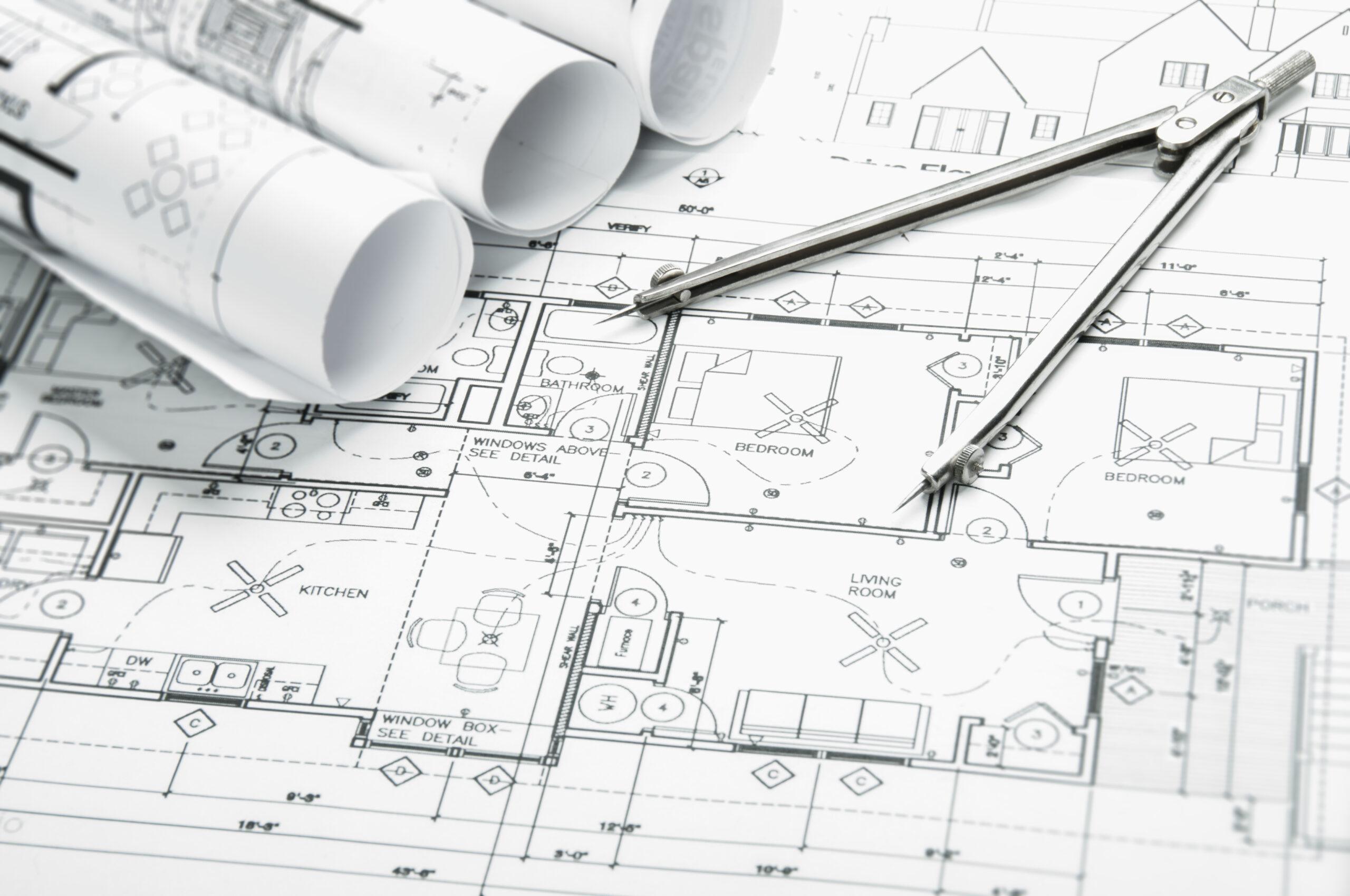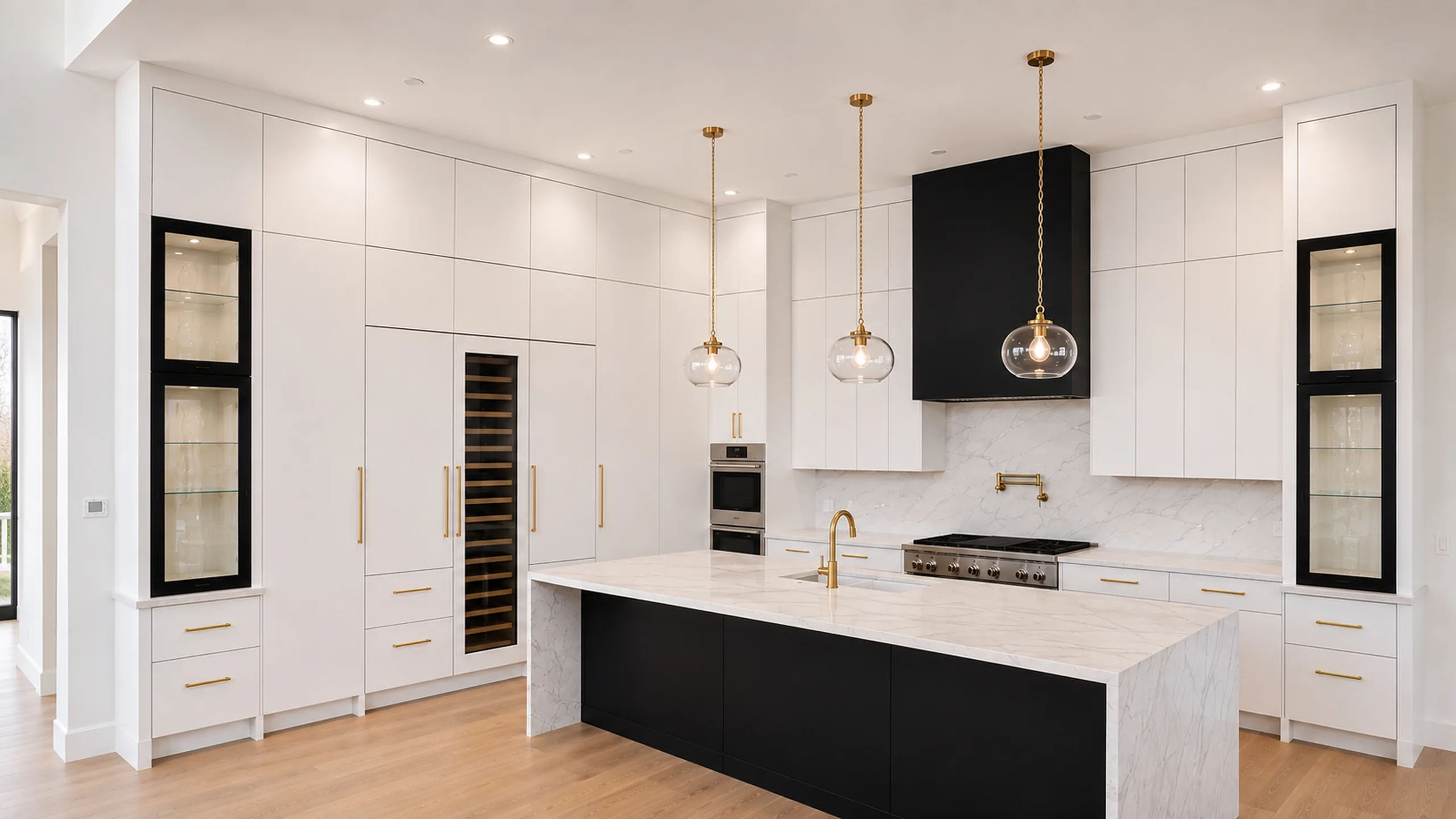

The short answer: neither cost-plus nor fixed-price is automatically better for every Scottsdale custom home. A fixed-price contract can provide greater price certainty when the plans, specifications, selections, and scope are sufficiently complete. A cost-plus contract can provide more flexibility and transparency when the design is still evolving or the project contains meaningful unknowns. The quality of the scope, allowances, documentation, and builder relationship matters more than the label on the contract.
Custom homes are complicated enough that two projects using the same contract structure can produce very different owner experiences. A carefully developed cost-plus agreement with strong documentation can be highly transparent. A fixed-price agreement based on incomplete plans can still produce significant change orders. The contract model matters, but it cannot rescue a weak preconstruction process.
At Bella Legacy, we think owners should understand exactly where the financial risk sits, what assumptions the price is built on, and how changes will be handled before construction begins.
What Is a Cost-Plus Custom Home Contract?
Under a cost-plus arrangement, the owner generally pays the actual cost of labor, materials, subcontractors, and other agreed project expenses, plus a builder fee. That fee may be structured as a percentage, a fixed amount, or another agreed method.
The appeal is transparency and flexibility. If the owner changes a finish, if the design evolves, or if actual trade costs differ from early assumptions, the project can continue without trying to force every change through a predetermined lump-sum structure.
The tradeoff is that the final cost can be less predictable. The owner is more directly exposed to market pricing, scope growth, quantity changes, and unresolved selections.
What Is a Fixed-Price Custom Home Contract?
A fixed-price contract establishes an agreed construction price for a defined scope. The builder prices the plans, specifications, allowances, and known project conditions, then commits to that number subject to the terms of the agreement.
The obvious benefit is budget certainty. If the scope is clearly documented and the owner does not change it, there is less exposure to normal price movement within that defined work.
The important phrase is defined scope. A fixed price is only as strong as the information behind it. If the plans are incomplete, major selections remain unresolved, or important site conditions are excluded, the contract may contain large allowances or exclusions that still move later.
The Biggest Difference Is Who Carries Which Risk
The contract structure changes how risk is distributed between owner and builder.
- Market price risk: under cost-plus, the owner typically sees and pays actual project costs as they occur. Under fixed price, the builder generally carries more risk for normal price movement within the defined scope.
- Scope risk: both models still depend on accurate plans and specifications. Missing scope can create additional cost under either structure.
- Selection risk: allowances that are lower than the owner’s actual finish expectations can create overages regardless of contract type.
- Unknown-condition risk: rock, hidden utilities, subsurface conditions, and other genuinely unknown items are often handled separately from the base price.
- Owner-change risk: changes initiated by the owner can affect both cost and schedule under either model.
When Fixed Price Can Work Especially Well
A fixed-price approach tends to become more meaningful as the project becomes more defined.
- The architectural and engineering drawings are substantially complete.
- Major finish categories have been selected or carry realistic allowances.
- The site has been investigated carefully.
- The pool, landscape, walls, exterior improvements, and utility scope are clearly identified.
- Trade pricing is current and based on the actual documents.
- The owner is comfortable making major decisions before construction begins.
The more complete the information, the more useful the fixed number becomes.
When Cost-Plus Can Make Sense
Cost-plus can be a practical structure when a project contains more uncertainty or when the owner values flexibility over a tightly defined price.
- The project is starting while portions of design are still being refined.
- The owner expects a highly iterative selection process.
- The home includes unusual craftsmanship or specialty work that is difficult to price accurately far in advance.
- There are site conditions that may not be fully understood until work begins.
- The owner wants detailed visibility into actual invoices and trade costs.
Cost-plus does not mean the project should operate without a budget. A strong cost-plus project still needs detailed estimating, realistic allowances, procurement planning, cost reporting, and clear approval procedures.
What About a Guaranteed Maximum Price?
A guaranteed maximum price, or GMP, is sometimes used as a hybrid structure. The builder may be reimbursed for actual costs plus an agreed fee, but the contract establishes a maximum amount for the defined scope subject to stated exclusions and changes.
The details matter enormously. Owners should understand what costs count toward the GMP, how allowances are treated, what happens if actual costs come in below the maximum, and what conditions allow the maximum to change.
Allowances Matter Under Both Contract Types
A fixed-price contract can still contain significant variable costs if many finish categories are carried as allowances. A cost-plus contract can still be highly predictable if selections and trade scopes are established early.
This is why the number of unresolved decisions matters just as much as the contract type. Cabinetry, stone, appliances, plumbing, lighting, flooring, windows, doors, landscape, and specialty systems can move the budget substantially.
Before signing, ask which values are firm, which are allowances, which are estimates, and which are excluded entirely.
Change Orders Should Be Clear Before You Need One
We also break down how change orders work on a luxury custom home and how better preconstruction can reduce avoidable ones.
The Arizona Registrar of Contractors advises owners to understand the change-order process before signing and notes that change orders should explain how the change affects total project cost and schedule and be signed by both parties. Its consumer guidance also recommends detailed written scope, payment terms, permit responsibility, and other project responsibilities.
That is especially important on a custom home because changes are not unusual. The goal is not to pretend they will never happen. It is to make the process predictable when they do.
- Who can authorize a change?
- How is the price calculated?
- What builder fee or markup applies?
- When does work proceed?
- How does the schedule impact get documented?
- How are credits handled when scope is removed?
Do Not Compare Contract Types Without Comparing the Scope
A fixed-price proposal at $3 million and a cost-plus estimate at $2.7 million are not automatically telling you that the second builder is less expensive. The cost-plus estimate may contain more open allowances, different assumptions, or less exterior scope. The fixed-price proposal may include more risk, more complete trade pricing, or a different level of finish.
Before comparing the totals, make the scope comparable.
Questions to Ask Before Choosing Either Structure
- How complete are the architectural and engineering documents?
- Which major selections are still open?
- How were the allowances established?
- What site and utility assumptions are included?
- What exterior improvements are included?
- How are builder fee and general conditions calculated?
- How are savings handled if actual costs are lower?
- How are overruns handled?
- What creates a change order?
- How often will the owner receive cost reporting?
- What documentation supports invoices and draws?
- What is specifically excluded from the contract?
Frequently Asked Questions
Is fixed price always safer for the homeowner?
Not automatically. Fixed price can provide strong budget certainty when the scope is complete and realistic. If the documents contain major gaps or allowances that do not match the intended finish level, costs can still move.
Is cost-plus always more expensive?
No. Cost-plus means the owner pays actual agreed project costs plus the builder fee. Whether the final result is higher or lower depends on the project, pricing, scope changes, selections, and management.
Can a luxury custom home use a hybrid contract?
Yes. Some projects use GMP or other hybrid structures. The important part is understanding exactly how the maximum, allowances, savings, exclusions, and changes are treated.
Which contract does Bella Legacy use?
The appropriate structure depends on the project, design stage, and scope. The more important early goal is to define the work, establish realistic allowances, and make the owner understand how the budget will behave before construction starts.
The Better Contract Is the One You Can Understand Before Construction Starts
A luxury custom home already contains hundreds of decisions. The construction agreement should reduce uncertainty rather than create another layer of it.
Whether the project uses fixed price, cost-plus, or a hybrid structure, the owner should be able to explain where the price came from, which items can still move, what is excluded, and how changes are approved.
If you are evaluating a Scottsdale custom home and want to understand how budget, scope, and contract structure should fit together, contact Bella Legacy early in the process.