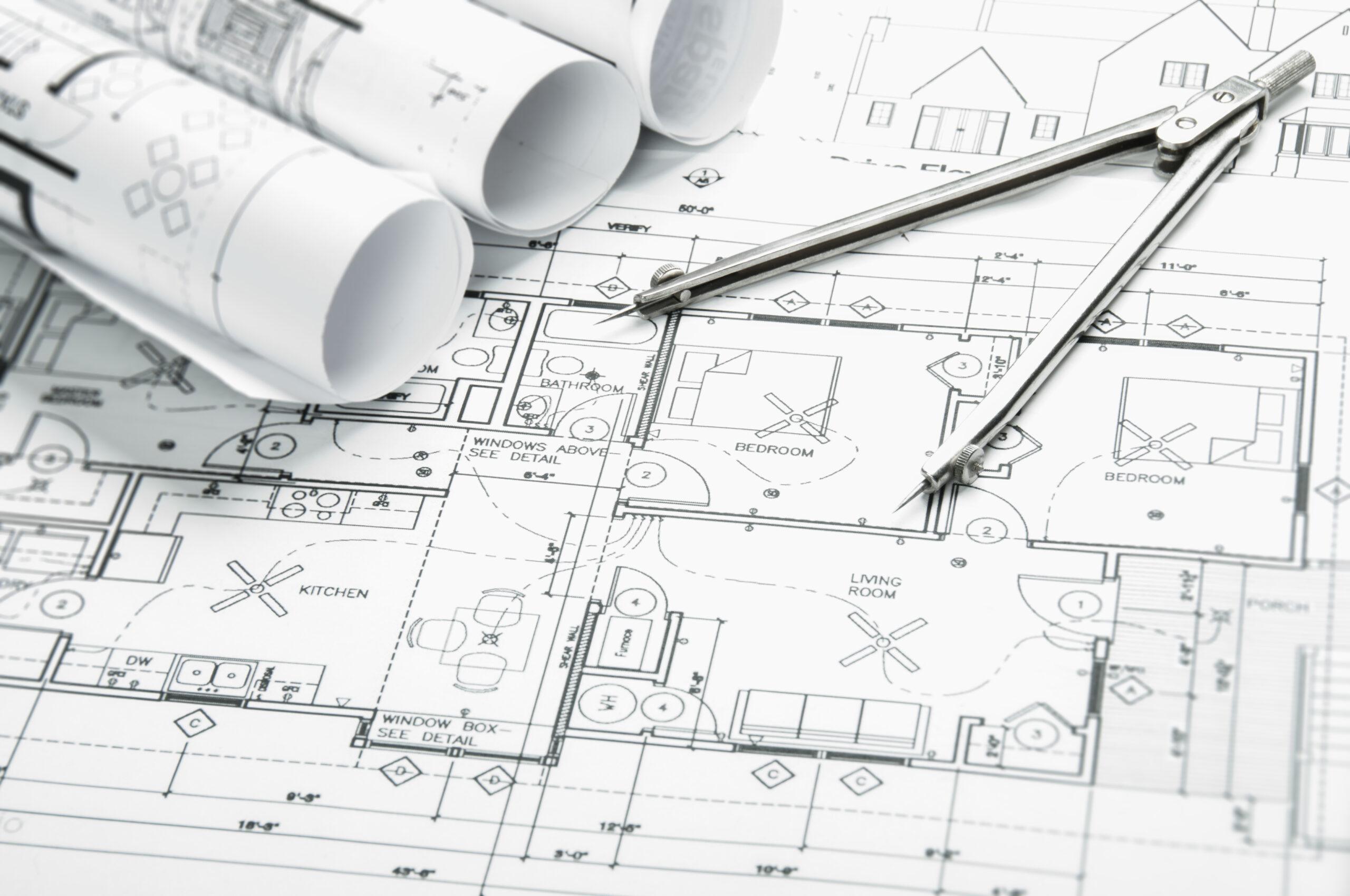
The short answer: a construction allowance is a budget placeholder for an item that has not been fully selected or priced when the contract or estimate is prepared. Allowances are useful and often necessary in a custom home. The risk comes when the allowance does not realistically match the quality, quantity, or design the owner expects.
On a luxury Scottsdale custom home, the biggest budget surprises are rarely caused by one upgraded faucet. They usually come from several large categories that remained unresolved too long – cabinetry, stone, lighting, appliances, plumbing fixtures, flooring, landscape, or specialty systems – combined with the labor and coordination required to support those choices.
At Bella Legacy, we think an allowance should do one thing well: give the owner a credible working number while a decision is still open. It should not make an early budget look artificially attractive.
What Exactly Is a Construction Allowance?
An allowance is an amount carried in the project budget for a defined category whose final cost is not yet known.
For example, a home may have completed architectural plans but the owner has not selected every plumbing fixture. The builder can carry a plumbing-fixture allowance based on the number of fixtures, expected brands, quality level, and design intent. When selections are made, the actual cost is compared with that allowance.
If the selected items cost less, the project may receive a credit depending on the contract. If they cost more, the difference becomes an overage or change in project cost.
An Allowance Is Not the Same Thing as a Fixed Price
This distinction is one of the most important things to understand in a custom-home budget.
- Fixed price: a defined amount for a defined scope.
- Allowance: a temporary budget amount for a category that is still open.
- Estimate: a projected cost based on current information that may still change.
- Contingency: a reserve intended for uncertainty or unforeseen conditions.
Those four numbers can appear on the same project, but they mean different things. A transparent budget labels them clearly.
Where Allowances Most Often Appear in a Luxury Custom Home
The exact categories vary, but luxury custom homes commonly carry allowances while selections are still developing.
- Custom cabinetry
- Countertops and slab stone
- Plumbing fixtures
- Decorative lighting
- Appliances
- Flooring
- Tile and specialty wall finishes
- Interior doors and hardware
- Fireplaces and specialty fabrication
- Closet systems
- Audio, video, security, and automation
- Pool finishes and equipment
- Landscape, trees, and exterior lighting
There is nothing wrong with carrying allowances in these categories. On a highly customized home, it may be unrealistic to select every fixture before an initial construction budget is needed.
The issue is whether the allowance is supported by the actual design direction.
Why an Unrealistic Allowance Can Distort the Entire Budget
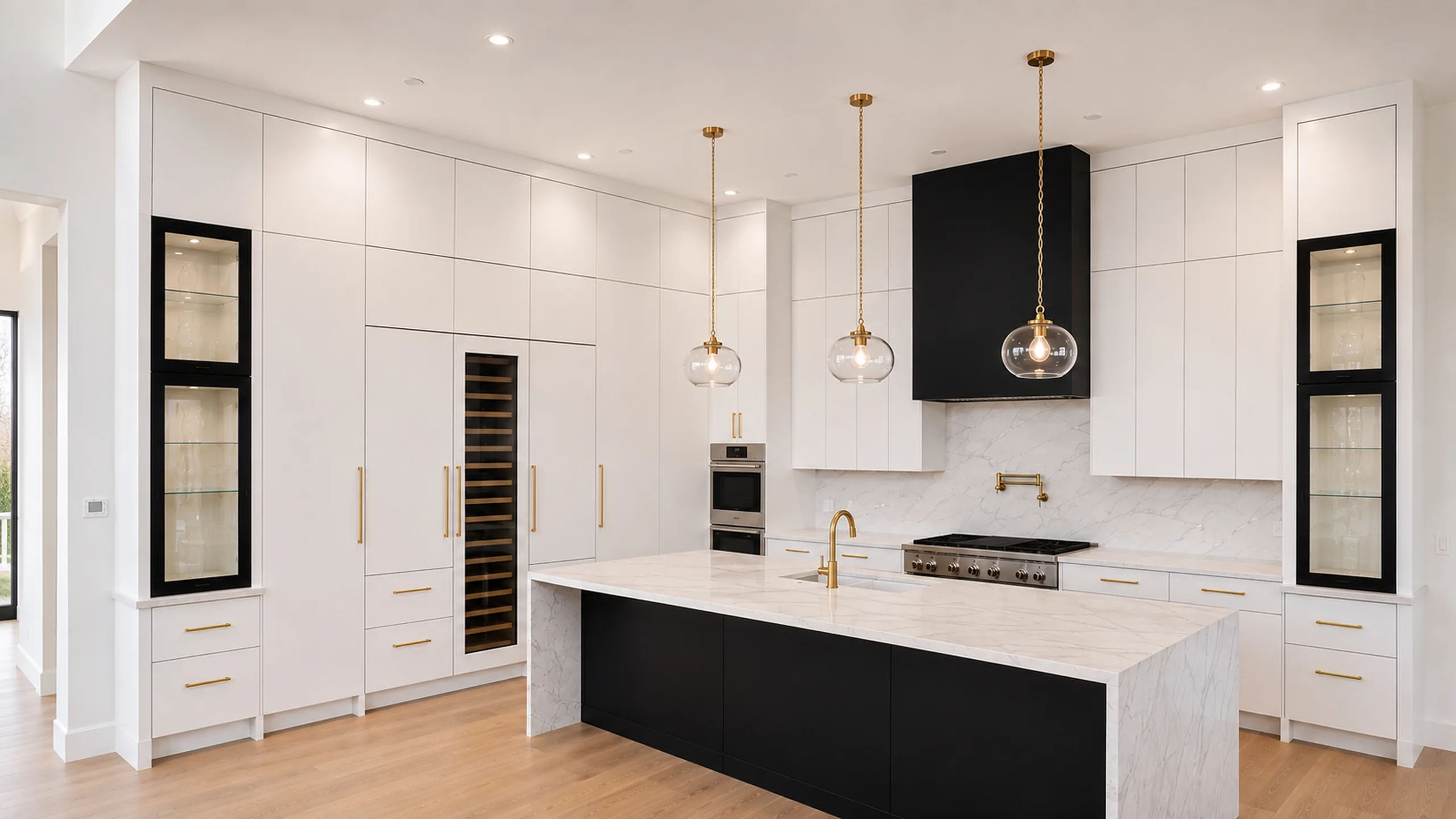
Imagine two kitchens with the same layout. One uses well-made custom cabinetry, premium appliances, and a disciplined stone package. The other uses extensively detailed cabinetry, integrated refrigeration, a full back kitchen, imported stone, custom metalwork, and decorative lighting throughout.
Both are luxury kitchens. Their costs can be dramatically different.
If the design conversation clearly describes the second kitchen while the budget carries an allowance appropriate for the first, the project is not truly on budget. The difference has simply not appeared yet.
The Number of Allowances Matters Too
One open selection category is manageable. Fifteen large open categories create more uncertainty.
A custom-home budget becomes more reliable as important decisions move from allowance to actual selection and current trade pricing. That does not mean every decorative detail has to be chosen before construction starts. It means the categories capable of moving the budget significantly deserve attention early.
A Good Allowance Should Be Built From Something Real
One of the best questions an owner can ask is:
How was this allowance established?
A useful answer might reference actual square footage, fixture counts, preliminary cabinetry drawings, recent vendor pricing, appliance packages, or comparable projects.
A weak answer is simply that the number is “typical.”
Luxury homes are too varied for a generic allowance to be meaningful without context.
Quantity Can Be as Important as Quality
Owners often focus on the price of an individual selection, but the quantity behind the allowance can move the budget just as much.
A tile allowance may look reasonable per square foot, but does it include the actual number of square feet? A lighting allowance may cover attractive fixtures, but does the quantity reflect every pendant, chandelier, sconce, and decorative fixture on the plan? A cabinetry allowance may assume standard-height uppers while the design is moving toward full-height millwork and paneled appliances.
Good allowance planning combines quality level and quantity.
Do Allowances Include Installation?
Sometimes yes, sometimes no.
This is an important contract question. A plumbing-fixture allowance may cover fixture purchase only, while installation labor is carried elsewhere. A stone allowance may include material but not fabrication or installation. An appliance allowance may or may not include delivery, installation, trim kits, ventilation accessories, or required electrical work.
Never assume two allowance numbers are comparable until you know what each one includes.
Why Late Selections Can Cost More Than the Upgrade Itself
The direct material difference is only part of the risk.
A late appliance change might affect cabinetry and electrical. A plumbing selection can affect rough-in locations. A large-format stone decision can affect backing, structure, fabrication, waterproofing, or installation sequencing. A new lighting concept can affect framing, electrical layout, controls, and drywall.
This is why the expensive part of an allowance overage is sometimes not the upgraded product. It is the rework created because the decision arrived after the project had already been built around a different assumption.
Which Allowances Should Be Finalized Earliest?
Prioritize selections that affect structure, rough systems, shop drawings, or long-lead procurement.
- Windows and exterior doors
- Major appliances
- Plumbing fixture families
- Cabinetry layouts and door styles
- Decorative and architectural lighting concepts
- Stone that requires special procurement
- Automation and low-voltage systems
- Fireplace systems
- Specialty hardware and fabricated elements
Finishing those categories early can protect both budget and schedule.
How to Evaluate an Allowance Before Signing a Contract
- Ask what quantity the allowance assumes.
- Ask what quality level or brand range it represents.
- Ask whether tax, delivery, fabrication, and installation are included.
- Ask whether the number is based on a quote, recent comparable project, or general assumption.
- Ask how overages and credits are calculated.
- Ask whether the builder fee applies to allowance overages.
- Ask when the selection must be finalized to avoid schedule impact.
- Ask what related labor or trade work may change when the selection changes.
The Arizona Registrar of Contractors advises owners to make project scope, price, responsibilities, and the change-order process clear in writing. Its consumer guidance is a useful reminder that clarity in the contract matters before work begins.
Allowances Should Become More Precise as Design Develops
An early conceptual budget may reasonably contain more allowances. A construction contract executed after months of design should normally contain fewer broad assumptions.
That progression is one of the purposes of preconstruction. As the architect, interior designer, builder, and owner make decisions, the budget should become less hypothetical.
At Bella Legacy, we prefer to use the design period to identify the categories with the greatest financial impact and replace broad assumptions with more specific information while the project is still flexible.
Frequently Asked Questions
Are allowances bad in a custom home contract?
No. They are normal tools when selections are genuinely still open. The concern is not the existence of an allowance; it is whether the amount realistically represents the expected design.
What happens if I spend less than the allowance?
The treatment depends on the contract. Some agreements provide a credit for the difference. Owners should understand how credits, builder fees, and unused allowances are handled before signing.
What happens if I exceed an allowance?
The additional cost is generally added to the project according to the contract’s change or allowance-adjustment procedure. The schedule can also be affected if the selection changes related work or arrives late.
How many allowances are too many?
There is no universal number. The more important issue is the total financial exposure represented by the open categories. Several small allowances may create little risk, while one unresolved cabinetry or landscape allowance can be significant.
The Goal Is Not Zero Allowances. It Is Honest Allowances.
A custom home should remain creative. Owners should have room to make thoughtful decisions without being forced to select every finish before they understand the design.
But flexibility works best when the budget tells the truth about it.
A good allowance gives the owner a realistic place to stand while a decision remains open. As selections develop, that placeholder should be replaced with better information so the project becomes more predictable instead of less.
If you are planning a luxury custom home in Scottsdale and want to understand how allowances, selections, and budget should develop together, contact Bella Legacy early in the design process.