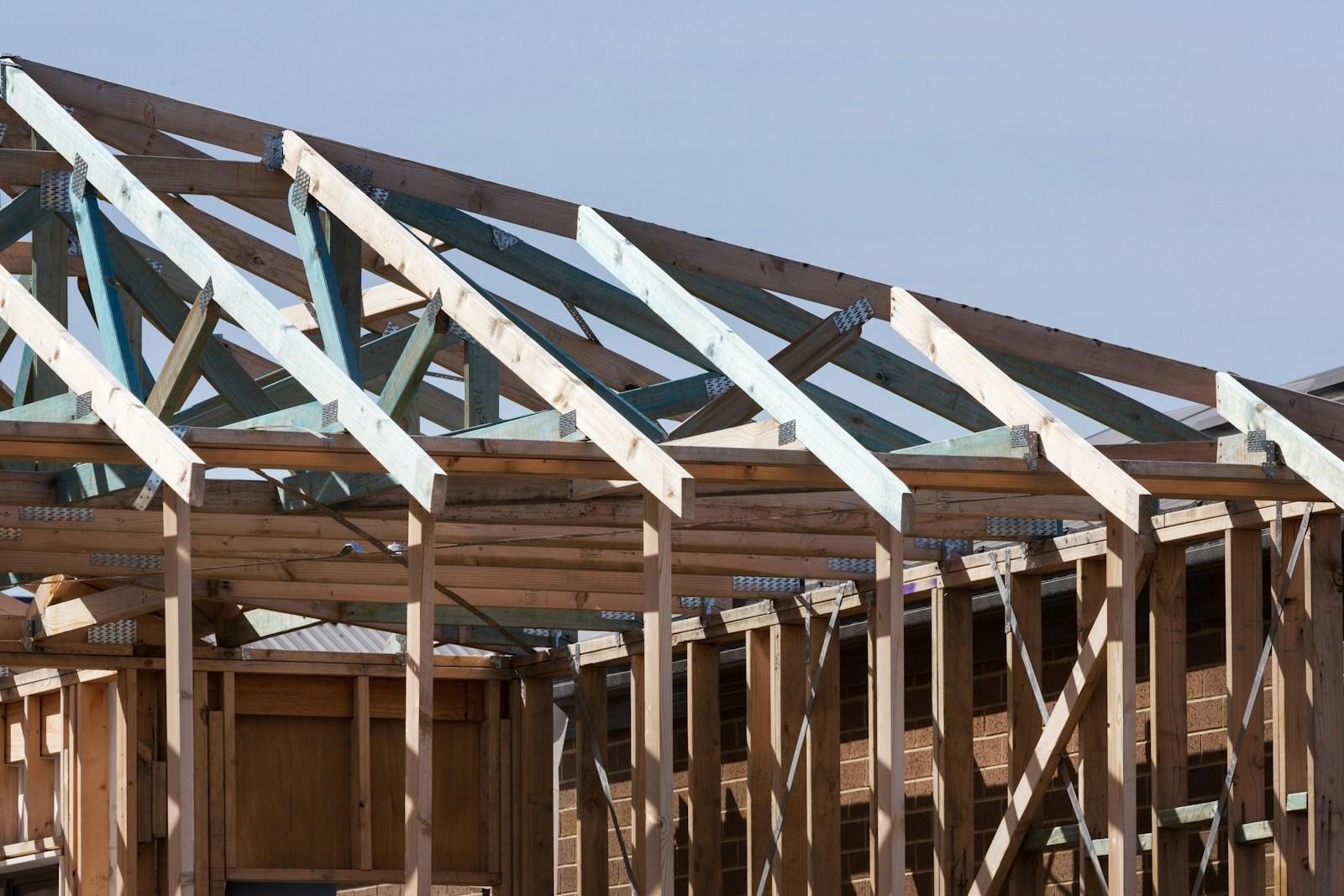
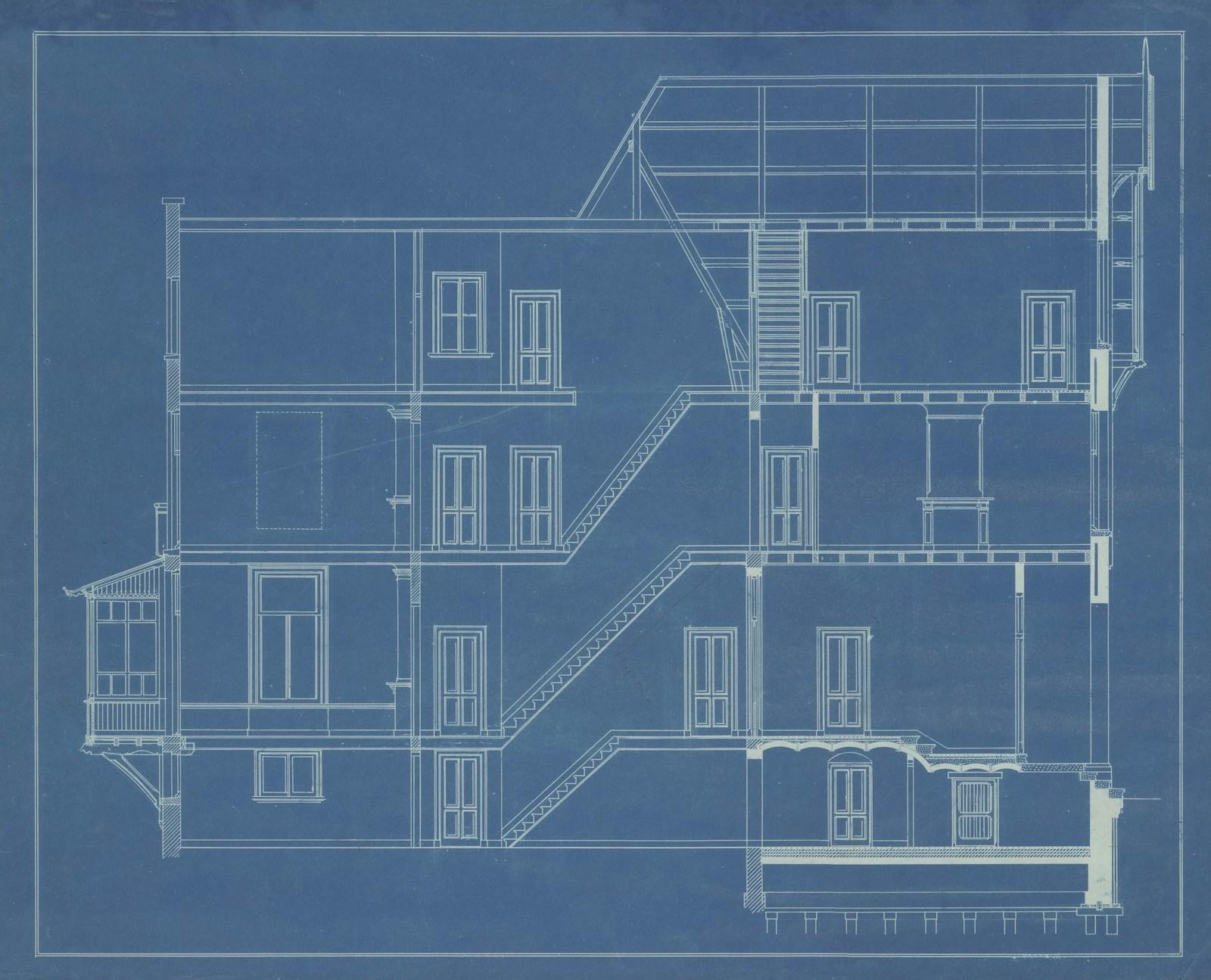
Yes—your builder can be a very useful source of architect and interior-designer recommendations, but the builder should not be the only voice in the decision. The best project team is not simply a group of people who know one another. It is a group whose design ability, communication style, fee structure, project experience and working relationships fit your specific home.
On a Scottsdale custom home, early team alignment can save a tremendous amount of rework. An architect can draw something beautiful, an interior designer can create an exceptional finish package, and a builder can execute at a high level—but if those three disciplines begin making important decisions in isolation, the owner often becomes the person forced to reconcile them later.
A strong builder recommendation can help you avoid that problem. The goal is not to hand you a predetermined team. It is to help you build the right one.
Why a builder’s recommendation can be valuable
Builders see design teams differently than most homeowners do. We are not only looking at finished photography. We see what happens after the design reaches the field.
That means a builder can often give useful perspective on questions such as:
- Does the architect produce clear, coordinated construction documents?
- How well does the architect respond when field conditions require a decision?
- Does the designer make selections early enough to protect procurement and schedule?
- Are details developed far enough for reliable pricing?
- Does the team understand how decisions affect structure, mechanical systems and construction sequencing?
- Can the team collaborate without turning every issue into an owner-level conflict?
Those qualities do not show up on an Instagram feed, but they matter enormously once the project is underway.
The builder should give you options—not dictate the team
A builder referral is most useful when it expands your choices rather than limits them.
If a client asks Bella Legacy for design-team recommendations, the better approach is usually to discuss the kind of home being planned, the site, the architectural direction, the level of interior involvement desired and how the owner wants the process to work. From there, we can identify professionals who may be worth interviewing.
You should still ask questions, review work, understand fees and decide who feels right for you.
There is also nothing wrong with bringing your own architect or interior designer. A capable builder should be able to join an existing team and work collaboratively. In that situation, the useful question is not, “Did the builder select these people?” It is, “Can this team work together effectively?”
Choose the architect for more than style
Architectural style matters, but it should not be the only selection criterion.
For a custom home, also look at how the architect approaches:
- the homesite and building envelope;
- budget alignment during design;
- structural and engineering coordination;
- community or HOA review;
- constructability;
- drawing completeness;
- decision-making when conditions change.
An architect whose aesthetic matches your vision but whose process consistently produces late surprises may not be the best fit for the project.
Bring the interior designer in early enough to influence the architecture
For a high-end custom home, the interior designer is not simply choosing furniture and paint after the architecture is finished.
Interior decisions can affect cabinetry, plumbing locations, appliance specifications, lighting, ceiling details, wall thicknesses, flooring transitions, millwork, fireplaces, window treatments, AV, electrical layouts and countless other items that eventually become part of the construction documents.
That is why we generally prefer the interior designer to become involved while the architecture is still flexible. Waiting until construction drawings are nearly complete can create a chain of revisions that costs time and design fees before construction even starts.
Our custom-home preconstruction planning guide explains why these decisions are easier to manage when architecture, engineering, interiors and builder input are coordinated early.
Watch for referral arrangements that are not transparent
Professional referrals are normal. Undisclosed financial incentives are a different issue.
If a recommendation is influenced by a referral fee, ownership relationship or other financial arrangement, that should be transparent. The client should understand why someone is being recommended and should remain free to evaluate alternatives.
For Bella, the value of recommending a professional is simple: a strong team makes the project better and makes the construction process more predictable. The recommendation should stand on the professional’s capabilities and fit for the project.
Interview the team for how they work together
One of the most useful things an owner can ask during team selection is not about portfolio photographs. Ask how the architect, designer and builder will actually work together.
Useful questions include:
- Who owns the working construction budget as design develops?
- When will the builder begin pricing?
- Who coordinates structural, civil, mechanical and other consultants?
- When are major interior selections expected?
- How will unresolved decisions be tracked?
- Who communicates changes that affect cost or schedule?
- How often will the core team meet during preconstruction?
If the answers are vague before the project begins, they usually do not become clearer once construction gets complicated.
The right team is project-specific
The ideal architect for a large hillside estate may not be the same architect we would suggest for a highly detailed single-level desert residence. The designer who is perfect for one client’s aesthetic and decision style may not be right for another.
The homesite matters too. A difficult slope, demanding community review, extensive glass, unusual structural spans or complex indoor-outdoor relationships can change the kind of experience the team needs.
This is why Bella does not view team formation as a generic referral exercise. It is part of project planning.
What if you already hired the architect?
That is completely workable.
The next step is to bring the builder into the process early enough to review site conditions, constructability, budget assumptions, long-lead decisions and the developing documents. The objective is not to redesign the architect’s work. It is to make sure design intent and construction reality remain connected.
If you are still selecting the full team, Bella can help you structure that conversation. If your architect and designer are already in place, we can work with them.
Start with the project, then build the team around it
A luxury custom home works best when the team is assembled intentionally rather than one consultant at a time with no plan for how they will collaborate.
If you are planning a Scottsdale-area custom home and are still deciding who should be involved, start with the property and the goals for the residence. From there, the right team becomes much easier to define.
Explore Bella’s Scottsdale custom-home building approach or start a preliminary project brief.