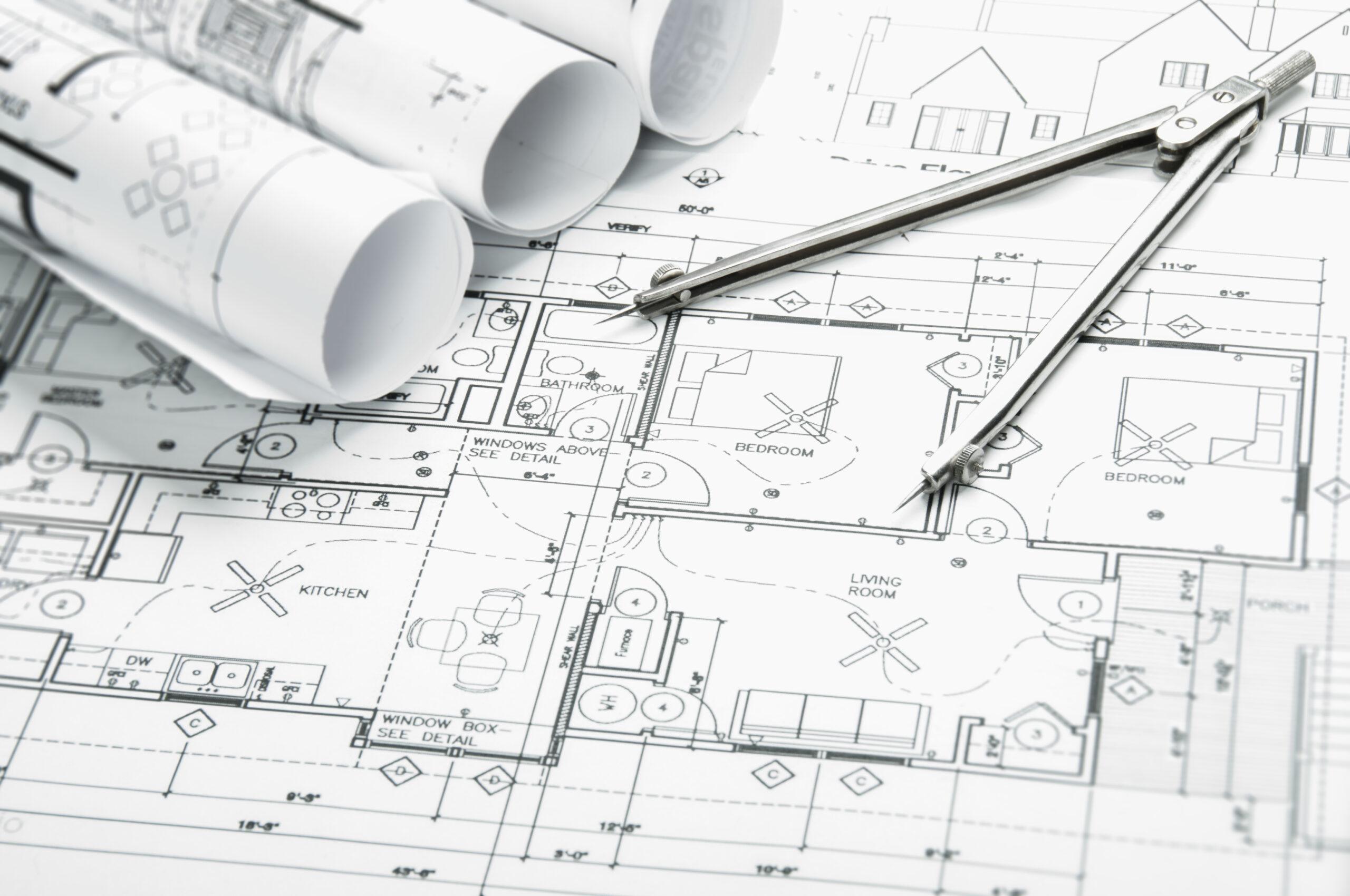
Disagreement is not automatically a sign of a bad team. The architect protects design intent and professional requirements; the builder protects constructability, schedule, cost and field execution. When they disagree, the issue should be documented, the options and consequences made explicit, and the appropriate owner or design authority should decide before the field improvises.
First Define the Type of Disagreement
Aesthetic intent, code interpretation, structural detail, cost, sequencing and product availability require different decision paths. The first step is identifying what kind of decision is actually being made.
Use RFIs and Written Clarification
Verbal debates disappear. A documented question and written response creates a record for trades, the owner and future inspections. On a complex custom home, written clarification also helps prevent one field conversation from becoming an unintended design change.
Show Cost and Schedule Consequences
If the architect prefers one solution and the builder proposes another, the owner should understand what each option does to price and schedule. A design preference can be reasonable while still carrying a meaningful procurement, engineering or sequencing consequence.
Respect Professional Responsibility
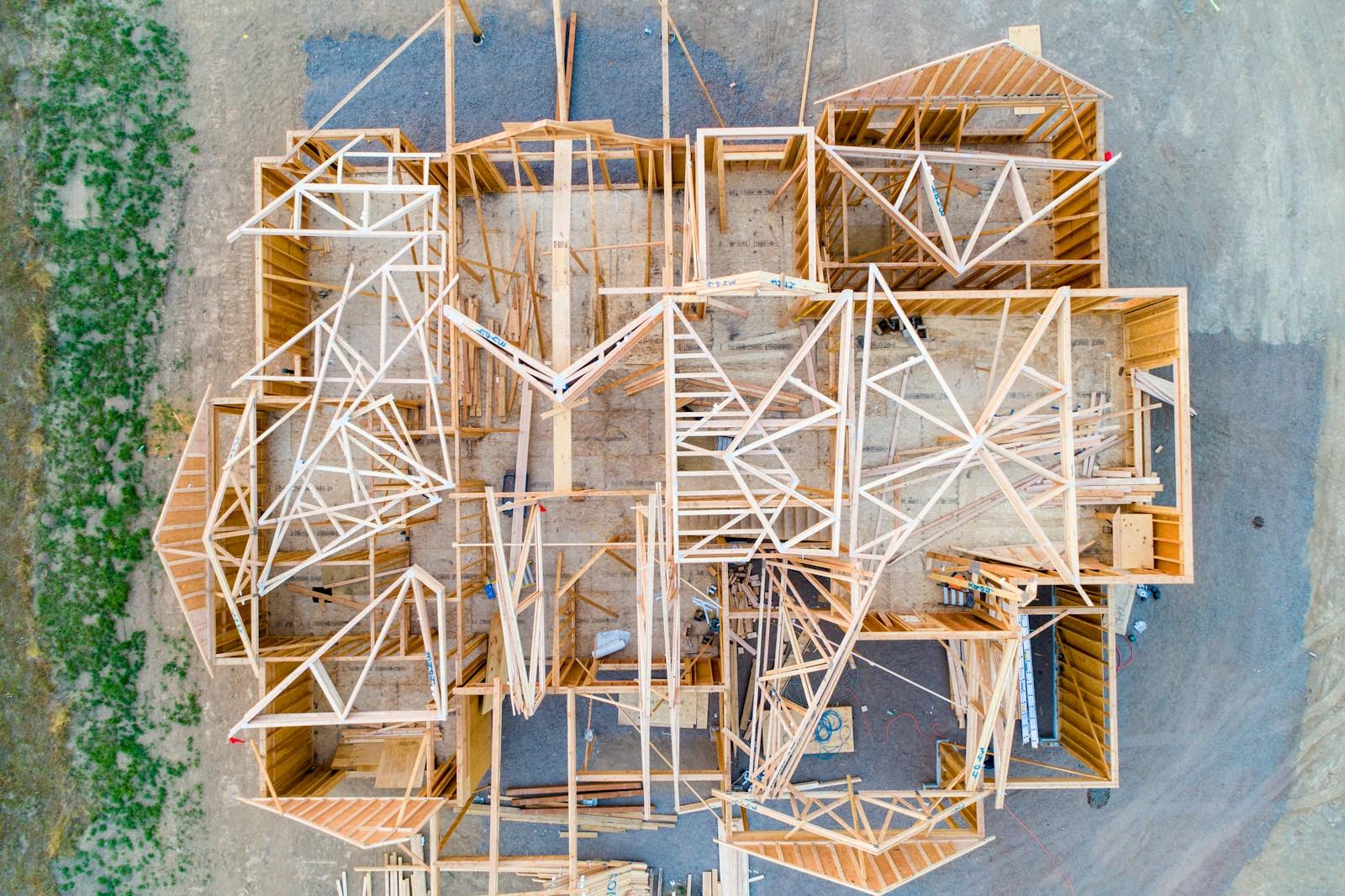
The builder should not override engineering or architectural requirements that require licensed design approval. Likewise, the design team should understand when a field condition, procurement issue or sequence makes a drawn solution impractical and needs a documented revision.
Escalate Without Making It Personal
Good teams solve the issue around the project objective rather than treating disagreement as a contest. The question should be: what solution best protects the design, performance, cost and schedule of the home?
Bella Builder Perspective
Healthy teams can disagree. What matters is whether the disagreement becomes a documented decision with the design, cost, schedule and professional-responsibility implications made clear before the field moves ahead. The owner should not have to referee personalities; the process should make the decision path clear.
Frequently Asked Questions
Who has the final say?
It depends on the subject, contracts and professional responsibility. The owner decides many scope choices, while licensed professionals control areas within their responsibility.
Can the builder change a detail in the field?
Minor field coordination may occur, but material changes should follow the project’s documentation and approval process.
Should the owner attend every dispute discussion?
Not necessarily, but significant cost, design or schedule decisions should be surfaced clearly.
Planning a Scottsdale Custom Home?
See Bella Legacy’s preconstruction planning approach and building process, or start a preliminary project brief.
How Bella addresses disagreements before they become jobsite delays
When a proposed design conflicts with construction requirements or the intended budget, Bella’s approach is to bring the relevant professionals together, document the choices and explain what each solution would change. The architect remains responsible for architectural decisions within its agreement and the builder for its construction obligations; the owner should receive a clear recommendation and any associated cost or schedule consequences. That is more useful than leaving teams to exchange conflicting instructions.
Discuss how a build team would work together, or send a specific question in the short form below.