
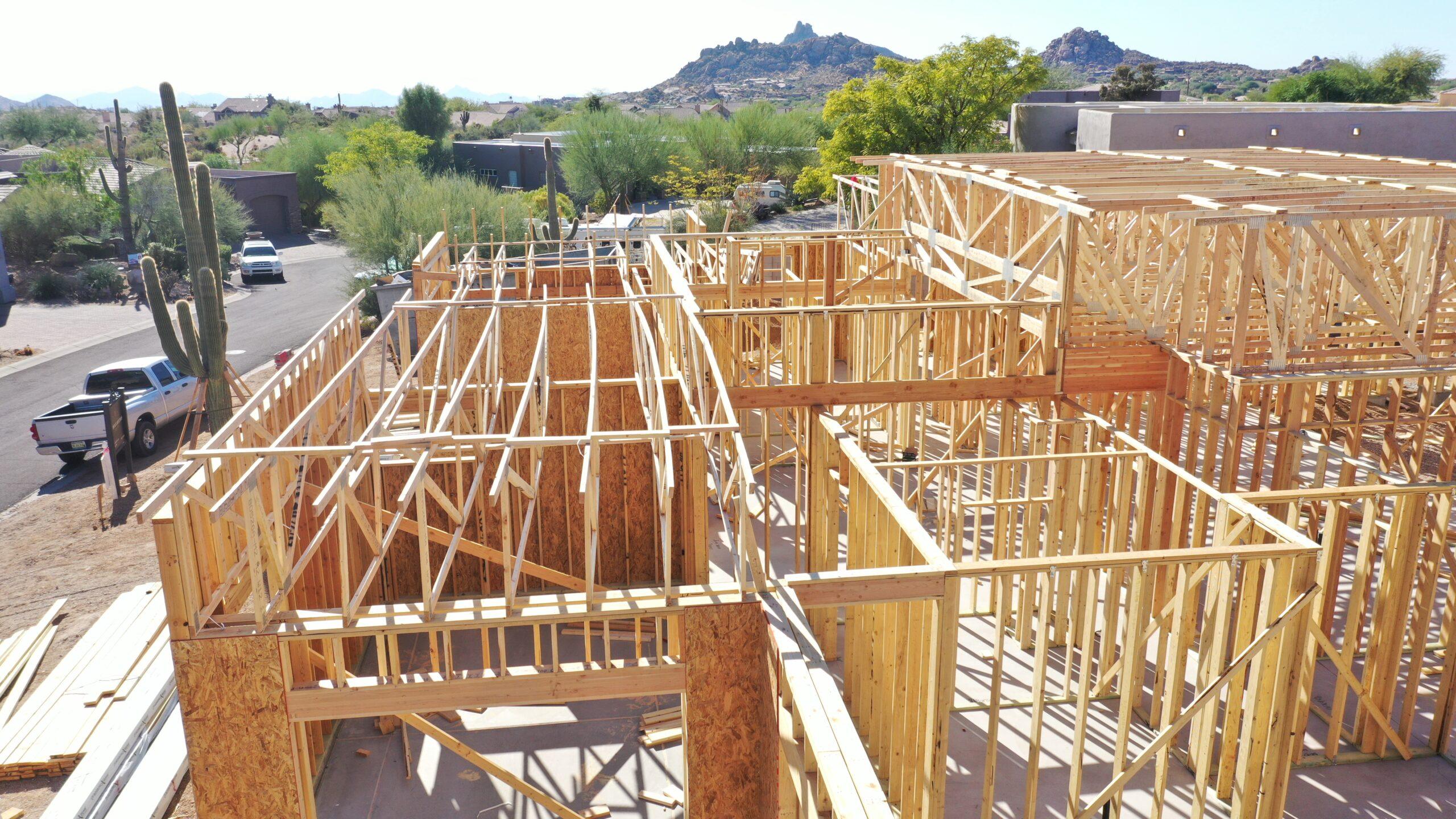
Not every Scottsdale lot needs a full geotechnical report before the buyer closes, but on a high-value custom-home site, early soils information can be extremely useful when subsurface conditions could affect foundations, excavation, retaining walls or budget.
The right question is not “Does every buyer need one?” It is “Could the ground conditions on this property materially change the project I intend to build?”
What a soils report helps the team understand
A geotechnical investigation provides information engineers use when designing foundations and site improvements. Depending on the scope, the report may address bearing conditions, fill, expansive or compressible soils, rock, settlement, excavation, foundation recommendations and retaining-wall design parameters.
It does not label a lot good or bad. It helps the team design for the conditions that are actually there.
When early testing becomes more valuable
A soils report deserves stronger consideration when a property has:
- steep or irregular topography
- visible rock
- major retaining-wall concepts
- substantial cut-and-fill grading
- evidence of prior fill or disturbance
- unusual drainage conditions
- a large or structurally complex home
- below-grade spaces
- a site history that creates uncertainty
A flat infill lot and a mountain homesite do not necessarily need the same diligence strategy.
City requirements and project judgment are not the same thing
Scottsdale’s published single-family materials include soils-related submittal requirements and an owner waiver process in certain situations.
But “the city may accept a particular path” and “this is the prudent path for a multimillion-dollar custom home” are two different questions.
The project team should make that decision based on site risk, the planned structure and the consequences of discovering difficult conditions late.
Why timing matters
If difficult subsurface conditions are discovered after the home is fully designed, the project may need structural or site-plan changes.
If they are discovered during diligence or early design, the architecture can respond while the project is still flexible.
That can affect:
- foundation approach
- retaining walls
- excavation
- grading
- driveway design
- utility routing
- pool structures
- budget contingencies
A report does not eliminate uncertainty, but it moves an important unknown earlier.
A soils report is not a construction estimate
The geotechnical report is an engineering input. The construction cost depends on how those recommendations interact with the final home, grading plan, access, retaining walls and contractor pricing.
Its value increases when the builder, civil engineer, structural engineer and architect interpret it together.
On an expensive homesite, we would rather discover a major site issue while the project is flexible than after the architecture is complete.
That does not mean ordering every study on every lot. It means matching the diligence to the property and the ambition of the home.
Questions to discuss before a soils investigation
Use these questions to prepare for a conversation about the property and your priorities.
Question 1: What best describes the site?
- Flat
- Sloped
- Hillside
- Visible rock
- I am not sure
Question 2: What are you planning?
- Under 4,000 sq. ft.
- 4,000–7,000 sq. ft.
- 7,000+ sq. ft.
- I am not sure yet
Question 3: Are retaining walls / below-grade spaces likely?
- Yes
- No
- Possibly
Result
“This property may justify early geotechnical input before the design becomes fixed. The next step is deciding whether that work belongs inside your purchase diligence or early preconstruction.”
Lead options
- Help Me Review This Homesite
- Send Me the Pre-Purchase Checklist
Continue planning: Ask Bella · Luxury Home Planning Center · Pre-Purchase Lot Due Diligence
Frequently Asked Questions
Is a soils report always required?
No. Requirements and available waiver paths vary by project. Confirm the current requirement with the city and design professionals.
Who prepares it?
A qualified geotechnical engineering firm.
Can a builder tell me what the soil is by walking the lot?
No. A site walk can reveal visible risk factors, but subsurface conditions require appropriate investigation.
How Bella uses soils information in early planning
Bella can help the owner and design team identify when site observations suggest that geotechnical information should be obtained and how the results could influence foundation planning, excavation, grading and the construction budget. The geotechnical engineer determines appropriate testing and design recommendations. We can bring the construction implications of that specialist work into the project discussion before a complex site becomes an unexpected field condition.
Discuss your lot’s investigation needs, or send a quick question to Bella in the form below.