Do not compare two custom-home builder proposals by the bottom-line number alone. The lower proposal may include less scope, smaller allowances, different assumptions, fewer general conditions, a different fee structure or exclusions that will surface later.
The useful comparison is an apples-to-apples scope comparison: what is included, what is excluded, what is an allowance, what is an estimate, how the builder is compensated, and how uncertainty will be handled as the project develops.
Start With the Same Drawings and Information
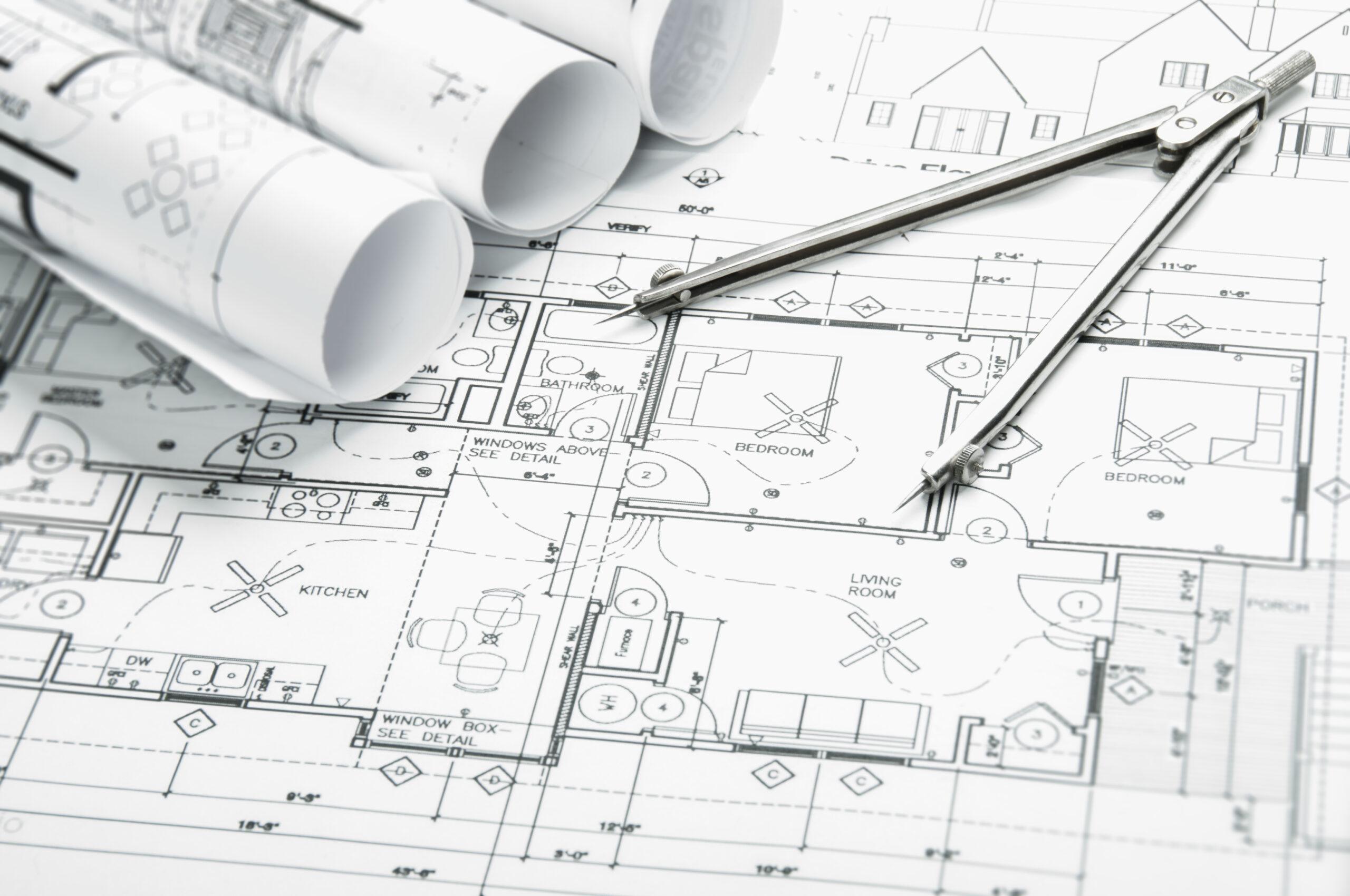
If two builders are pricing different drawing sets, different specifications or different levels of design completeness, their numbers are not truly comparable.
Before comparing proposals, confirm that both builders received the same architectural set, engineering information, finish assumptions, site information and major owner requirements.
Separate Hard Construction From Everything Around It
One proposal may bundle categories that another separates. Review the major buckets individually:
- site work and grading
- structure and framing
- exterior envelope and glazing
- mechanical, electrical and plumbing
- interior finishes and cabinetry
- pool, landscape and hardscape
- general conditions
- builder fee or contractor fee
- allowances
- contingency, if included
A clean comparison sheet often tells you more than the total on page one.
Pay Close Attention to Allowances
A proposal can look lower simply because the allowances are lower. Cabinetry, appliances, plumbing fixtures, lighting, flooring, tile, stone and landscaping are common examples.
Ask whether each allowance is realistic for the level of home you are planning. An allowance is not a discount; it is a placeholder that will eventually become an actual selection and cost.
Read the Exclusions
Exclusions can be just as important as inclusions. Common items that may sit outside a proposal include land, design fees, utility-company charges, special testing, certain permits or deposits, furnishings, window treatments, low-voltage systems, landscape or pool scope and owner-purchased items.
Do not assume a category is included because it is necessary to complete the home.
Understand General Conditions and Builder Compensation
Builders may structure proposals differently. One may show supervision, temporary facilities, dumpsters, site protection and project management as general conditions. Another may blend some of those costs elsewhere.
Likewise, builder compensation may appear as a fixed fee, percentage, cost-plus markup or other agreed structure. The label matters less than understanding exactly how it is calculated and what costs it applies to.
Compare the Schedule Assumptions
A proposal should reflect a realistic construction duration. A longer project can affect supervision, temporary facilities, insurance, equipment and other time-based costs.
If one proposal assumes a materially shorter schedule, ask why. A lower number built on an unrealistic schedule is not necessarily the better proposal.
Look at What Is Still Undefined
No early proposal eliminates uncertainty. The key is whether the builder identifies it clearly.
A strong proposal should help you see:
- what is firmly priced
- what is allowance-based
- what depends on incomplete drawings
- what requires further site investigation
- what may change after selections
Ask How Changes Will Be Handled
Even a well-planned custom home can change. Ask how pricing is documented, how approvals work, whether markups apply to changes, and how schedule impact is communicated.
The contract and change-order process should make the rules clear before construction starts.
When we compare proposals, the question we care about is not “Who can make the first number smallest?” It is “Which proposal gives the owner the clearest picture of the project they actually intend to build?”
That is why preconstruction matters. The better the drawings, selections and site information, the less the owner has to compare assumptions. See our preconstruction planning process and Why Bella Legacy for more context.
Frequently Asked Questions
Should I automatically choose the lowest builder proposal?
No. First determine whether the proposals carry the same scope, allowances, exclusions and schedule assumptions.
What if one builder gives a much more detailed proposal?
Detail is useful because it exposes assumptions and makes future changes easier to understand. Ask the less-detailed bidder to clarify the same categories before comparing totals.
Can my architect help compare builder proposals?
Yes. The architect can help identify scope differences in the drawings and specifications, while the owner should also understand the commercial and contractual differences.
How Bella makes proposal comparisons more useful
Bella can discuss the assumptions behind a custom-home proposal: site preparation, specified materials, allowances, exclusions, builder fee, general conditions and the procedures for changes. We encourage owners to compare scope and responsibilities rather than selecting solely by the lowest number on the front page. A structured preconstruction discussion helps identify which questions need answers before a meaningful apples-to-apples decision can be made. You can also review our Scottsdale custom home building approach for the broader planning process.
For this particular property or project, talk through your project scope or ask Bella directly in the short form below.