Two builders can price the same plans very differently because they may not be pricing the same interpretation of the plans. Differences in scope assumptions, allowances, exclusions, trade coverage, general conditions, builder fee, schedule and risk can create a large gap even when both builders are acting in good faith.
The right response is not to average the bids. It is to reconcile them.
Plans Rarely Answer Every Construction Question
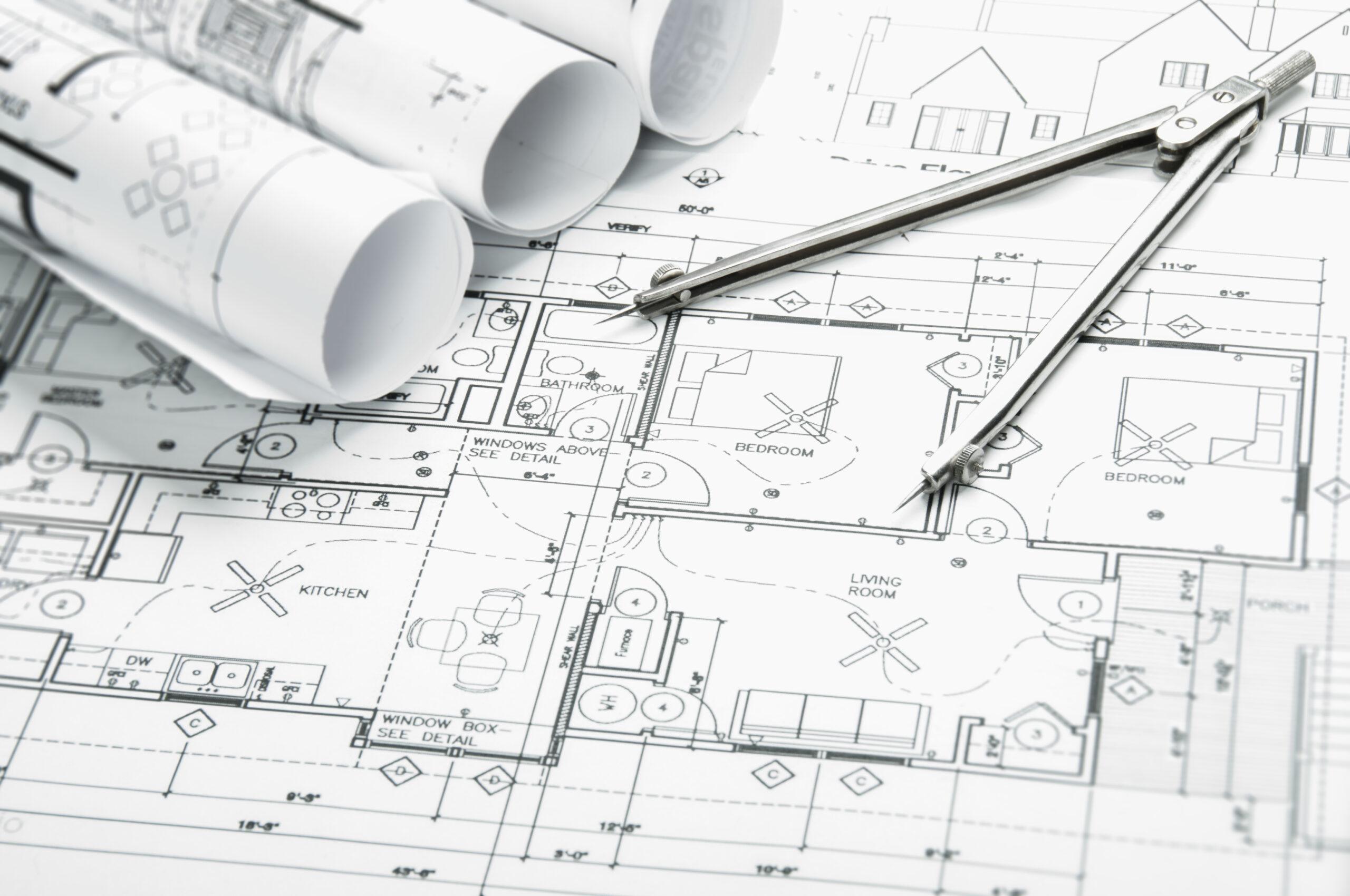
Even a strong drawing set may leave decisions to specifications, field coordination or builder interpretation. If one bidder assumes a premium assembly and another assumes a simpler one, the numbers can diverge.
Allowances Can Create Artificial Gaps
One builder may carry cabinetry, appliances, lighting, tile and plumbing at levels consistent with a high-end project. Another may use lower placeholders.
The lower bid may simply move the cost into future selection overages.
Exclusions Can Make a Bid Look Better Than It Is
Review whether pool, landscape, utility charges, temporary facilities, special inspections, low-voltage, window treatments, specialty finishes or owner-supplied items are handled consistently.
A missing category is not a savings if the project will still require it.
Trade Pricing Can Differ
Builders have different subcontractor relationships, scopes and expectations. One trade contractor may include more preparation, supervision or finish detail than another.
Lowest trade price is not always equivalent trade scope.
General Conditions and Schedule Affect the Number
Project management, supervision, temporary utilities, cleanup, site protection and other time-based costs can vary with the construction schedule and staffing approach.
If one builder assumes a shorter schedule or less supervision, that difference may appear in the bid.
Builder Fee Structures Differ
A builder may use a fixed fee, percentage, cost-plus markup or other structure. One proposal may separate fee and general conditions; another may blend some costs.
Compare the economics, not just the labels.
Risk Is Priced Differently
A builder who sees incomplete engineering, uncertain site conditions or unresolved selections may carry more protection in the number. Another may leave those items open and address them later.
Neither approach should be judged without understanding what is actually included.
How to Reconcile the Bids
Build a line-by-line comparison around:
- scope categories
- allowances
- exclusions
- general conditions
- builder fee
- schedule assumptions
- open questions
- site-work assumptions
Then ask each builder to clarify meaningful gaps.
A bid difference is information. It tells you that the two teams are seeing the project differently somewhere.
The goal is to find out where before selecting the builder. See how to compare custom-home builder proposals and what a construction estimate should include.
Frequently Asked Questions
Does a much lower bid mean the builder is more efficient?
Possibly, but it can also reflect different scope, allowances, exclusions, schedule or risk assumptions. Reconcile the details first.
Should I ask builders to rebid after reconciliation?
If material scope differences are found, it can be useful to ask each builder to update the relevant categories so the comparison becomes more consistent.
Can a complete specification reduce bid differences?
Yes. Better-defined drawings, selections and specifications reduce the number of assumptions each bidder has to make.
How Bella helps remove guesswork from bids
Bella can work with the design team to clarify specifications, resolve competing assumptions and identify omissions that make builder proposals difficult to compare. We can explain how construction method, exclusions, procurement and site conditions influence a number, then help the owner identify which questions must be answered before choosing a direction. A comparable scope is more useful than an apparently low proposal built on uncertainty.
For this particular property or project, review your proposed project or ask Bella directly in the short form below.