Timeless architecture is not a style. It is the result of proportion, restraint, durable materials, thoughtful planning and details that still make sense years after the latest trend has passed. In a luxury home, that usually means the architecture feels connected to the property, the rooms are comfortable to live in, the materials age gracefully, and the design does not depend on one fashionable feature to make it interesting.
That distinction matters in Scottsdale and the surrounding desert communities, where a custom home may need to feel current today without looking dated ten or twenty years from now. The goal is not to make a home neutral or conservative. A timeless home can be dramatic, contemporary, traditional, organic or highly personal. What it avoids is architecture that relies too heavily on a moment.
Reviewed by the Bella Legacy construction team.
Timeless Architecture Starts With Proportion
Before stone, cabinetry, lighting or furniture are selected, a home already has a visual character created by its proportions. Ceiling heights, window sizes, door openings, rooflines, wall lengths and the relationship between one room and the next determine whether the architecture feels balanced.
When those relationships are right, the home does not need excessive decoration to feel substantial. A well-proportioned entry can create presence without becoming theatrical. A great room can feel generous without becoming cavernous. A hallway can frame a view instead of simply connecting two parts of the house.
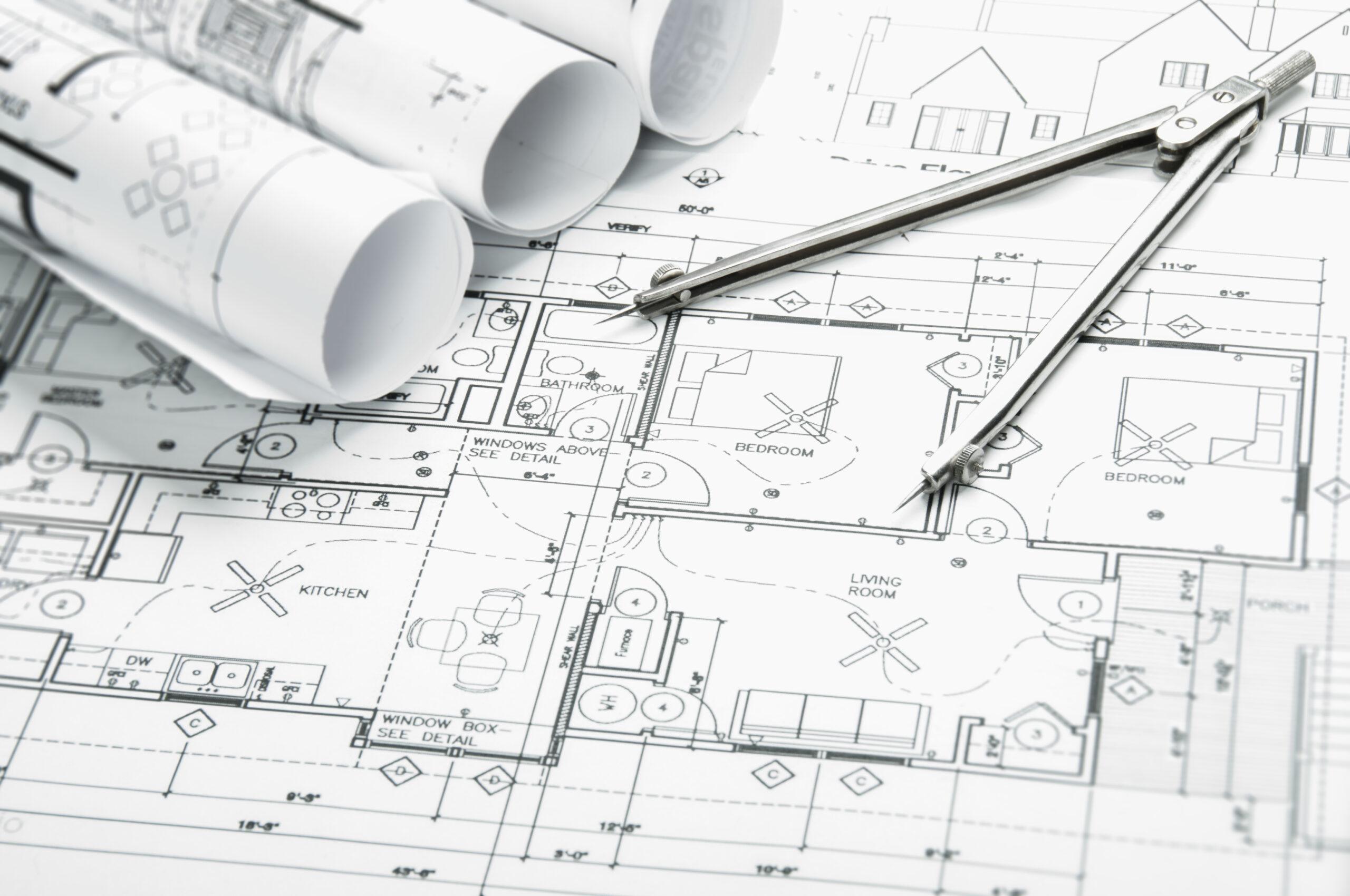
This is one reason we encourage clients to spend serious time on planning before construction begins. It is much easier to refine proportion on paper than to compensate for an awkward space later with finishes. Our preconstruction and planning process is designed around resolving those relationships early.
The Best Materials Get Better With Age
Timeless homes tend to rely on materials with depth, texture and natural variation. Stone, wood, plaster, metal, high-quality tile and carefully selected slabs often become more interesting as the home ages because they were never meant to look perfectly uniform in the first place.
That does not mean every surface has to be expensive or heavily detailed. In fact, restraint is usually more important. A few excellent materials used consistently can create more permanence than many competing finishes chosen because each one happened to be popular at the time.
For a custom home, material decisions should also be coordinated with the architecture. Stone proportions should make sense on the elevation. Wood tones should relate to the amount of natural light. Cabinetry should belong to the scale of the room. Flooring transitions should feel intentional rather than like separate design decisions placed next to one another.
A Timeless Home Belongs to Its Site
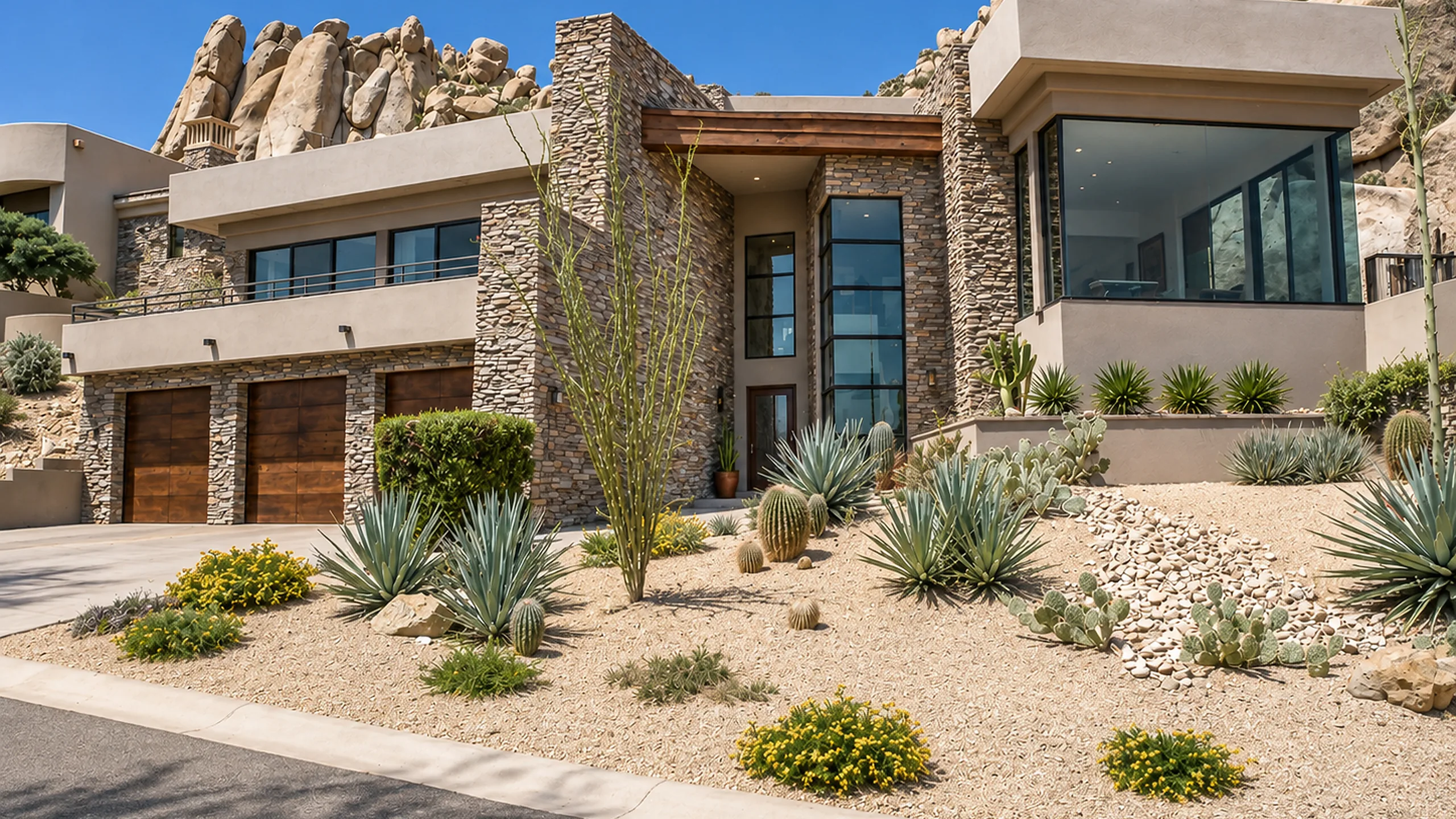
Some of the most memorable homes feel as though they could only exist on the property where they were built. The architecture responds to the orientation, views, terrain, privacy, landscaping and the way the sun moves across the lot.
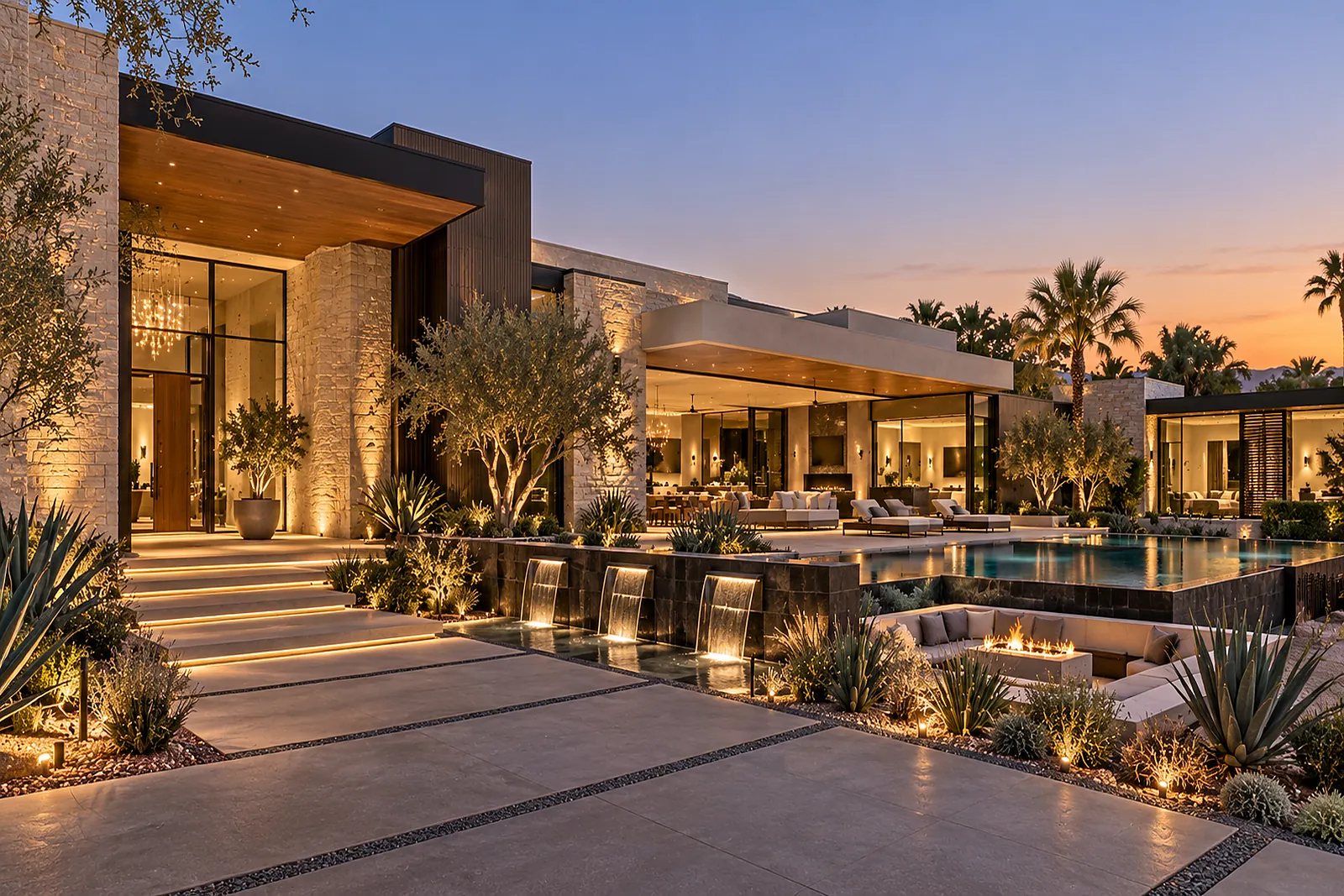
That is especially important in Arizona. Large glass openings can create a remarkable connection to the desert, but they also need to be considered alongside shade, orientation, outdoor living and overall comfort. Courtyards, overhangs, covered patios, framed mountain views and protected outdoor rooms are not simply aesthetic devices; when planned well, they become part of how the home lives.
This is why a custom residence should begin with the property rather than forcing a preconceived floor plan onto a homesite. If you are evaluating land, our Lot & Homesite Evaluation and Pre-Purchase Lot Due Diligence resources explain some of the questions worth answering before design gets too far ahead.
Natural Light Should Be Designed, Not Added
Windows are often discussed as individual products, but in timeless architecture they are part of a larger composition. Their size, rhythm, sill height and alignment affect both the exterior elevation and the experience of every room inside.
A well-placed window can pull the landscape into a room. A long opening can emphasize a horizontal desert view. Clerestory glass can bring daylight deeper into a space while preserving privacy. A large stacking door can make an outdoor room feel like an extension of the interior rather than an afterthought.
The important point is that glass should serve the architecture and the way the home is used. Bigger is not automatically better. The strongest design usually comes from deciding what each opening is meant to accomplish and then coordinating it with structure, shading, interior layout and exterior composition.
Floor Plans Should Support Real Life
A home can photograph beautifully and still be frustrating to live in. Timeless design pays as much attention to circulation, storage, privacy and everyday routines as it does to dramatic spaces.
Where do groceries enter the house? How far is the pantry from the kitchen? Can guests reach a powder room without walking through private areas? Does the primary suite feel connected but protected? Is there a place for the things people actually use every day? Does outdoor living connect naturally to the kitchen and great room?
These questions do not produce glamorous renderings, but they have a major influence on whether a home still feels well designed after the novelty wears off. The architecture should reduce friction rather than ask the homeowner to adapt to it.
Architectural Details Need a Reason to Exist
Arches, beams, paneling, fireplaces, ceiling treatments, stone walls and custom millwork can give a home enormous character. They can also date a home quickly when they are used without a clear architectural idea.
The difference is usually restraint and consistency. If an arch appears, its geometry should feel related to other openings. If a beam is introduced, its scale and placement should make sense in the room. If a fireplace becomes a focal point, the material, height and surrounding composition should feel appropriate to the architecture rather than merely filling a wall.
A strong detail should make the house feel more resolved. If removing it would make no difference to the architecture, it may simply be decoration.
Technology Should Support the Home Without Taking It Over
Luxury homes increasingly include sophisticated lighting, shading, climate, audio, security and automation systems. Those systems can make a home substantially better to live in, but technology changes much faster than architecture.
A timeless approach plans the infrastructure carefully while allowing visible technology to evolve. Wiring pathways, mechanical space, lighting control locations, shade pockets, equipment access and serviceability should be considered early. The goal is to make the house adaptable without turning the architecture into a display of equipment that may feel obsolete in a few years.
Avoid Designing the Entire Home Around One Trend
Every period has recognizable design ideas. Some become enduring elements; others quickly identify the year a home was built or remodeled. The risk is not using a trend. The risk is allowing one trend to dictate too many permanent decisions at once.
A homeowner may love a current cabinet color, plumbing finish or lighting style. Those can be wonderful places for personality because they can eventually be changed. Structural openings, room proportions, roof forms and large areas of permanent stone are different. Those decisions deserve a longer view.
One useful test is to ask: Would this still make architectural sense if the furnishings and finishes changed? If the answer is yes, the underlying design is probably doing its job.
Timeless Does Not Mean Traditional
This is an important distinction. A contemporary desert home can be timeless. So can Mediterranean-inspired architecture, organic modern design, a warm transitional residence or a more traditional estate.
Timelessness comes from the discipline behind the style: good proportions, coherent materials, useful spaces, strong relationships to the site and details that support the architecture. A home does not need to avoid personality to age well. It simply needs a clear point of view that is deeper than a collection of fashionable selections.
The Landscape Is Part of the Architecture
Exterior architecture rarely feels complete without a landscape strategy that supports it. Trees can frame an entry. Desert planting can soften large expanses of masonry. Courtyard planting can create privacy. Low-voltage lighting can reveal texture and depth at night without turning the property into a brightly lit stage.
Hardscape matters too. The relationship among driveway materials, walkways, pool decking, patios, walls and planting areas influences whether the property feels cohesive. Treating landscape, pool and exterior lighting as part of the architectural plan usually produces a more finished result than addressing them as separate projects at the end.
Spend Permanently on Permanent Decisions
When we think about long-term value in a custom home, we separate decisions that are difficult to change from those that are relatively easy to update later.
Structure, ceiling heights, window placement, major openings, circulation, mechanical planning, exterior massing and site relationships deserve the most careful attention because correcting them later can be disruptive and expensive. Paint, decorative lighting, some hardware and many furnishings can evolve much more easily.
That does not mean the permanent choices need to be plain. It means they should be deliberate.
Questions to Ask When Designing for Longevity
As a home moves through design, we find these questions useful:
- Does the floor plan work for everyday life, not just for entertaining?
- Are the room proportions comfortable before finishes are added?
- Do windows frame useful views and bring in light intentionally?
- Are permanent materials being used consistently rather than competitively?
- Does the home respond to the property, orientation and desert environment?
- Will visible technology be easy to update as systems change?
- Are architectural details reinforcing one coherent idea?
- Would the architecture still feel strong if the furniture, paint and decorative fixtures changed?
The Goal Is a Home That Still Feels Right
The strongest measure of timeless architecture is not whether a home can be assigned to a particular style. It is whether the house continues to feel thoughtful after years of living in it.
Good architecture creates a sense of inevitability: the opening seems to be exactly where it should be, the material feels appropriate to the space, the view appears naturally framed, and the circulation feels effortless. Nothing has to shout for attention because the pieces belong together.
For homeowners planning a custom residence in Scottsdale, Paradise Valley or Fountain Hills, that is the standard worth pursuing. If you are early in the process, explore Bella Legacy Custom Homes, our building process, or our guide to choosing a custom home builder in Scottsdale.
Have a property or design direction you are considering? Start with the Bella Project Planner or start a conversation with Bella Legacy.
How Bella brings a long-term perspective to the design
Bella can work with the architect and interior designer to balance the character of a home with the realities of structure, materials, climate and upkeep. A detail that looks timeless in a rendering still needs to be buildable and serviceable years later. We can help discuss which investments improve the home’s everyday experience and which add complexity without comparable value, keeping the architecture and construction plan coordinated.
Discuss the home you want to create, or send Bella a brief message through the inquiry form below.