When you buy an older home in Paradise Valley intending to replace it, you are primarily buying the potential of the property—not the usefulness of the existing floor plan. The critical question is whether you can actually build the home you want on that specific parcel, at an investment and timeline that still make sense after demolition, site work, approvals and utilities.
An attractive location and a large lot are a promising starting point. They are not a substitute for property-specific due diligence.
First, confirm which jurisdiction controls the property
A Paradise Valley mailing address does not, by itself, tell you which municipality governs zoning and permits. Confirm the parcel’s actual jurisdiction, legal description and governing rules before relying on a neighbor’s project or a listing description.
If the property is within the Town of Paradise Valley, use the Town’s current zoning, hillside and building-permit requirements. A home across a street or in another jurisdiction may face different standards.
Understand what is buildable—not just the parcel size
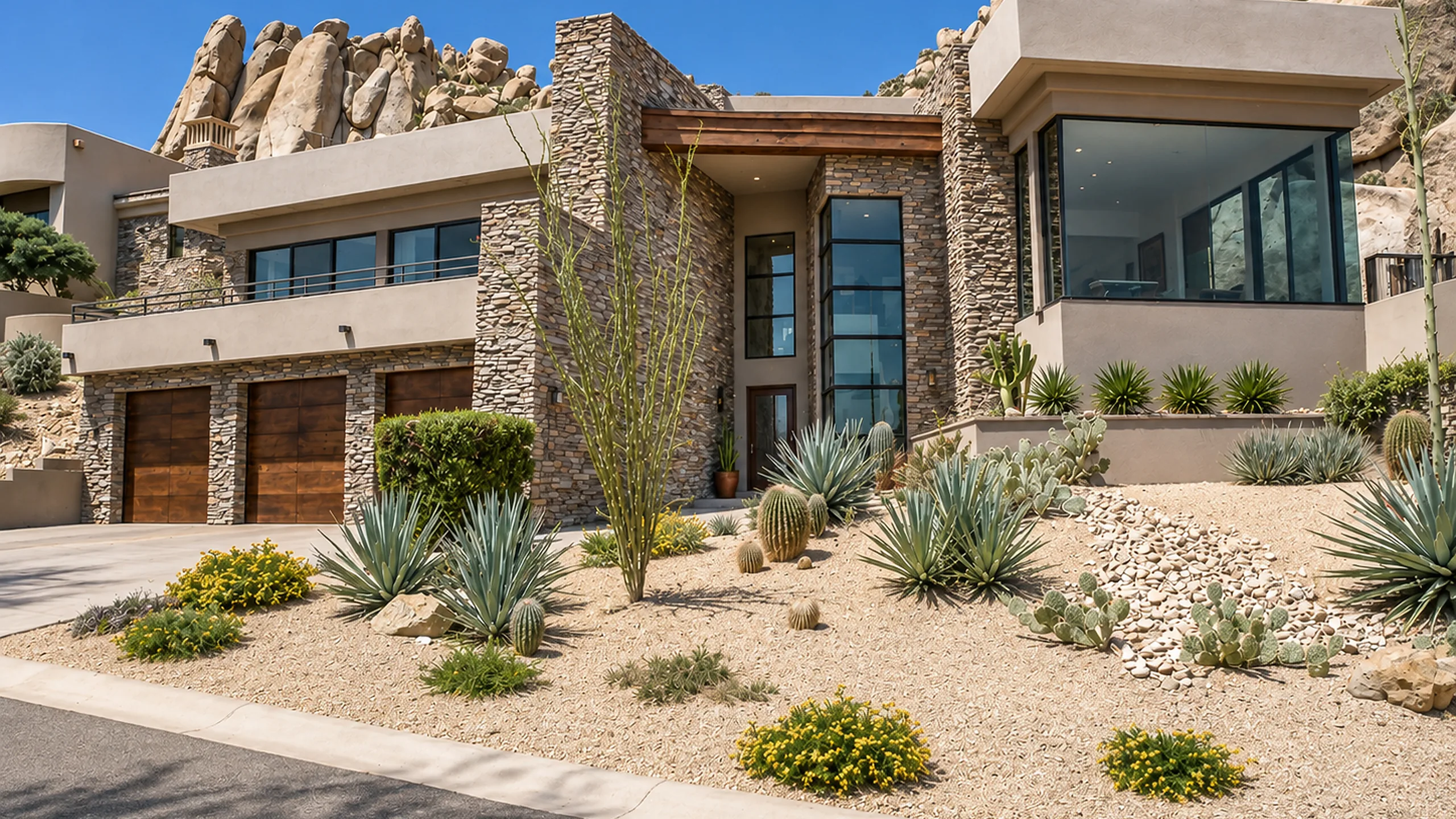
A generous lot can still have meaningful limitations. The preliminary site review should consider setbacks, allowed height, lot coverage, easements, existing improvements, wash or drainage corridors, protected landscape conditions and any private community requirements.
Have the design team create a realistic preliminary building envelope and site concept. If your goal is a wide single-level home, detached casita, multiple garage bays or a particular outdoor-living arrangement, those priorities need to be tested together.
A concept that depends on every inch of allowable area, or on approvals that have not been established, deserves a more careful look before closing.
Review a survey and the property’s actual topography
Lot marketing photos do not convey all grade changes. On a site with slope, washes, retaining conditions or challenging driveway access, the cost and design implications can be substantial.
Ask for a current or properly evaluated survey as part of the diligence process and determine what further topographic, civil or engineering work is appropriate. It may not be necessary to complete full engineering before buying, but the largest site uncertainties should be visible to the decision-makers.
If the parcel is hillside-designated, the Town may require additional reviews and documentation. The Town’s official permits and handouts describe additional considerations for hillside applications.
Demolition is more than bringing in an excavator
A teardown plan should address the existing structure, utilities, pools, accessory buildings, site walls, mature landscape and areas that must remain undisturbed.
Before assigning a demolition budget, determine which services need disconnecting or protecting, whether demolition can be staged efficiently, and how equipment will access the site. Existing foundation or retaining elements may also affect removal and the next home’s site preparation.
For older structures, appropriate professionals may need to inspect for regulated materials before demolition. The exact requirements depend on the property and demolition scope; they should not be assumed away because the building is residential.
Look carefully at drainage and neighboring improvements
A new home’s footprint, finished floor elevations, driveway and pool can change how water moves across the parcel. A natural wash or drainage easement is not simply extra landscaping area.
A civil review can help flag conflicts between the proposed home and existing drainage patterns. It can also identify questions about retaining, walls, access and protection of adjacent property.
This is one of the reasons not to treat a quick square-footage sketch as a completed buildability study.
Verify utilities before deciding what the site is worth
Find out what water, sewer or onsite wastewater service, electrical and gas infrastructure exists, and whether the proposed home’s needs could require upgrades or extensions.
An existing home having functioning service does not establish that the service capacity or routing is appropriate for a larger replacement residence. An accurate assessment may require utility-provider responses and specialist review.
Include temporary construction access, service disconnection and reconnection work in the early conversation.
Test the real project budget
The purchase price is only one line in the total project investment. A useful preliminary comparison includes:
- Acquisition and transaction costs.
- Demolition, disposal and necessary environmental work.
- Site grading, retaining, drainage and access.
- Architecture, engineering, surveys and approval costs.
- Utilities and construction-related infrastructure.
- New home construction, outdoor living and landscaping.
- Financing, insurance, carrying costs and a suitable contingency.
A listing’s reference to an ‘easy build’ should not replace site analysis or a builder’s preliminary budget exercise.
Align the diligence timeline with the contract
You do not need a full set of permit-ready plans before deciding whether to buy. But you should know which major assumptions remain unresolved, who can investigate them and when the purchase agreement’s inspection or due-diligence deadlines expire.
Your Realtor, title company, legal counsel, surveyor, design professionals and builder each address different questions. They should work from the same property information rather than give separate opinions in isolation.
A practical first step
Start with the address, parcel information, existing plans or survey if available, a description of the home you want, and the purchase timeline. Bella Legacy can provide an initial builder-side perspective on the site’s apparent construction questions and help identify what requires further professional investigation.
For a property-specific conversation, use our Paradise Valley custom-home resource or request a pre-purchase property review.
A preliminary review cannot guarantee zoning approval, buildability, construction price or permit issuance. It is intended to make the purchase decision more informed before you commit.