Owner-selected upgrades during construction should be priced as a documented change to the original scope. The owner should be able to see what is changing, any credit for the original allowance or specified item, the added material and labor cost, applicable builder markup, and any schedule impact before approving the upgrade.
The cleanest process treats upgrades as a construction decision—not an informal product swap.
Start With the Original Baseline
You cannot price an upgrade clearly unless everyone knows what the contract already included. Was the original item a fixed specification or an allowance? Was installation included? Were freight, tax and accessories part of the baseline?
The change should begin by identifying that original scope.
Show the Difference, Not Just the New Price
If the original cabinet allowance was already included in the contract, an upgrade should generally account for that baseline rather than presenting the full upgraded package as though nothing had been budgeted.
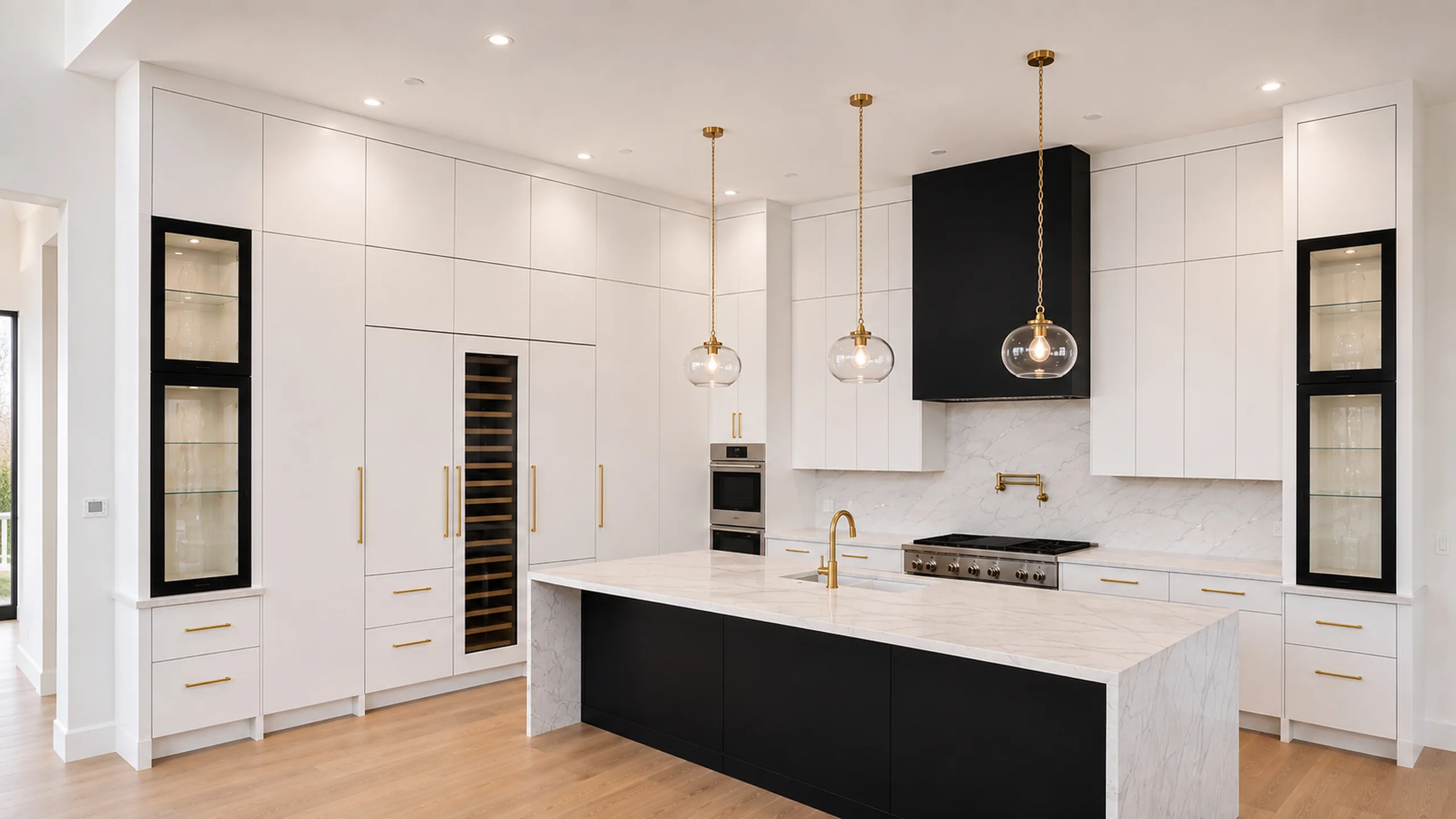
The same principle applies to plumbing fixtures, appliances, tile, lighting, flooring and similar selections.
Include Labor and Coordination Effects
An upgrade may affect more than product cost. A different appliance can change electrical, plumbing, cabinetry or ventilation. A thicker stone can affect supports and details. A new lighting package can require additional wiring or controls.
The change price should reflect the actual construction effect.
Builder Markup Should Follow the Contract
If the contract applies a fee or markup to owner changes, that should be understood before upgrades begin. The process should be consistent rather than renegotiated for every selection.
Schedule Impact Matters
An upgrade that arrives after the original item was already ordered—or has a longer lead time—can affect sequencing and completion. The owner should understand timing consequences along with cost.
Avoid Verbal Upgrades
Luxury projects involve many decisions, and verbal approvals are easy to misunderstand later. A written change record protects both the owner and builder by documenting the scope, price and authorization.
Reduce Upgrade Changes Through Better Selections
The best way to reduce mid-construction pricing changes is to resolve important selections during preconstruction. Cabinetry, appliances, plumbing, lighting, flooring, tile, stone and specialty systems all benefit from earlier decisions.
See our construction allowances guide and change-order guide.
Upgrades are not inherently a problem. The problem is when the owner cannot easily tell what changed from the original plan or why the price changed. A clear baseline and written approval process keep the project understandable.
Frequently Asked Questions
Should I receive a credit for the original selection?
If the original item or allowance was included in the contract and is being replaced, the change documentation should make the baseline treatment clear.
Can an upgrade delay the project?
Yes. Lead times, redesign, reordering and added trade work can affect the schedule.
Should I approve upgrades before they are ordered?
Generally, written approval before commitment creates the clearest cost and scope record.
How Bella can make owner-selected upgrades transparent
Bella can discuss how a change is documented before work is ordered: original scope, requested replacement, supplier or labor difference, schedule implications and the person authorized to approve the adjustment. This is particularly important when cabinetry, natural stone, mechanical systems or specialty fixtures affect adjacent work. A clear written process lets an owner make meaningful choices while keeping budget and delivery consequences visible.
Explore Bella’s change-management approach, or ask Bella directly using the short form below.