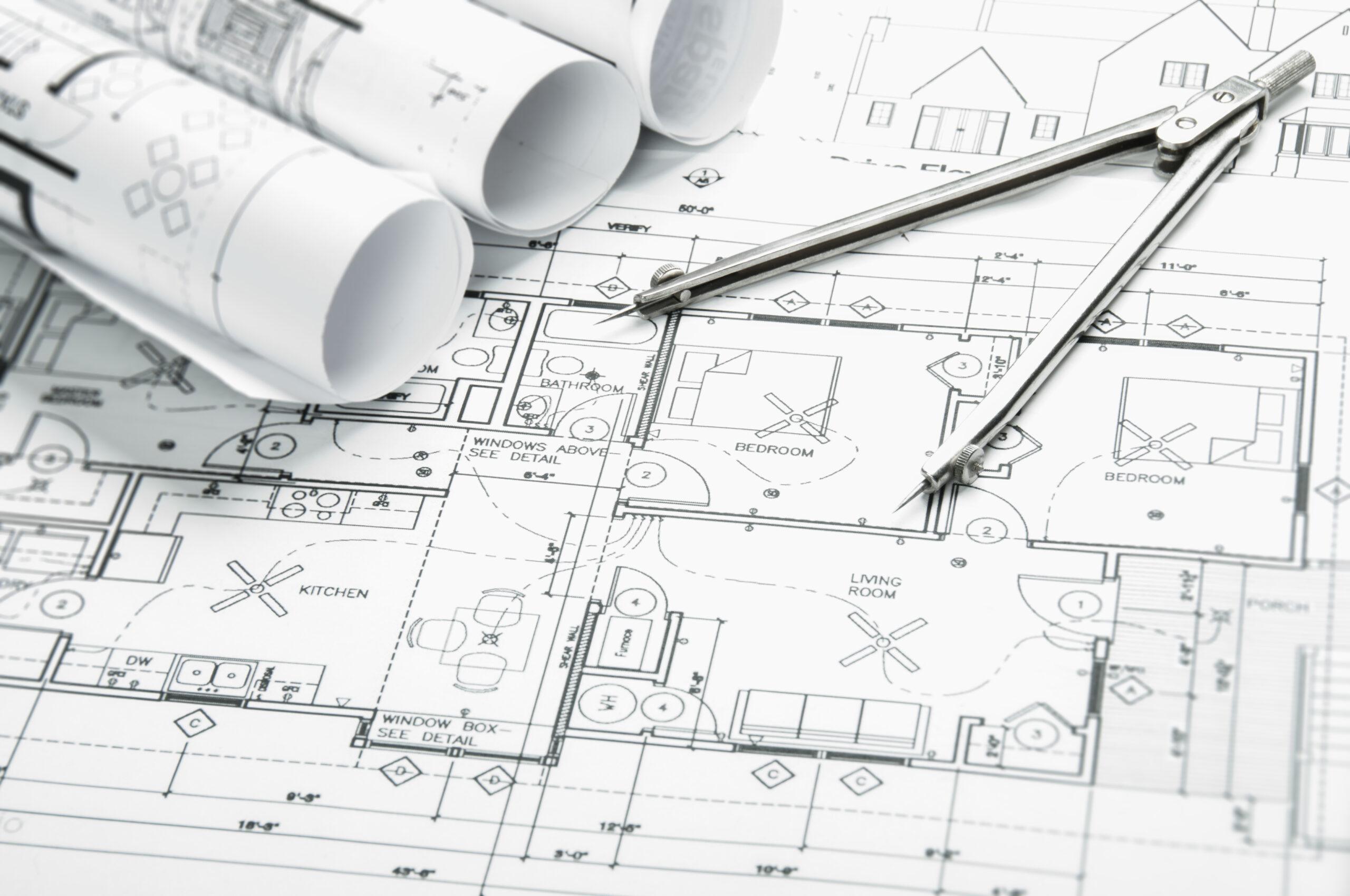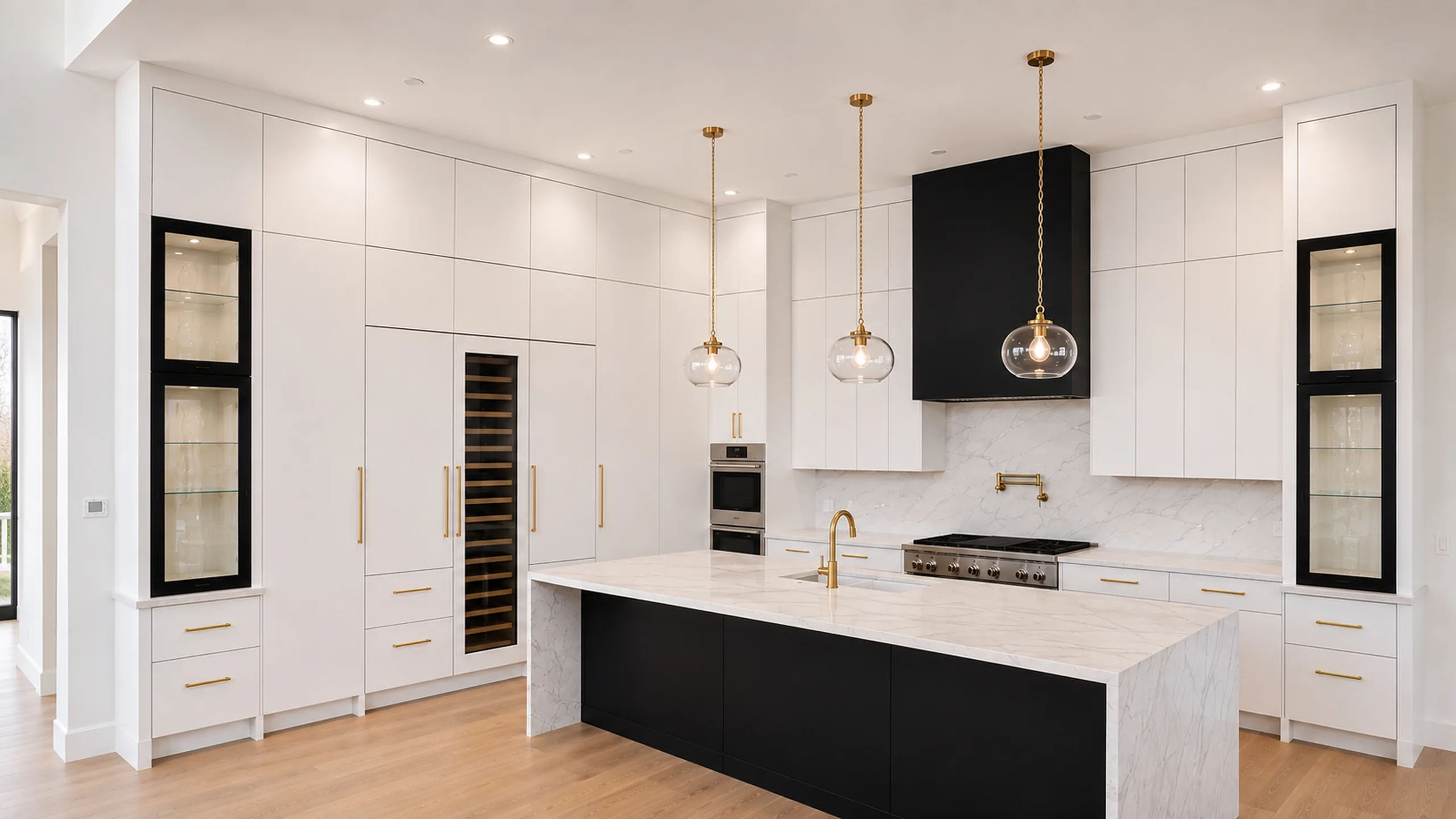
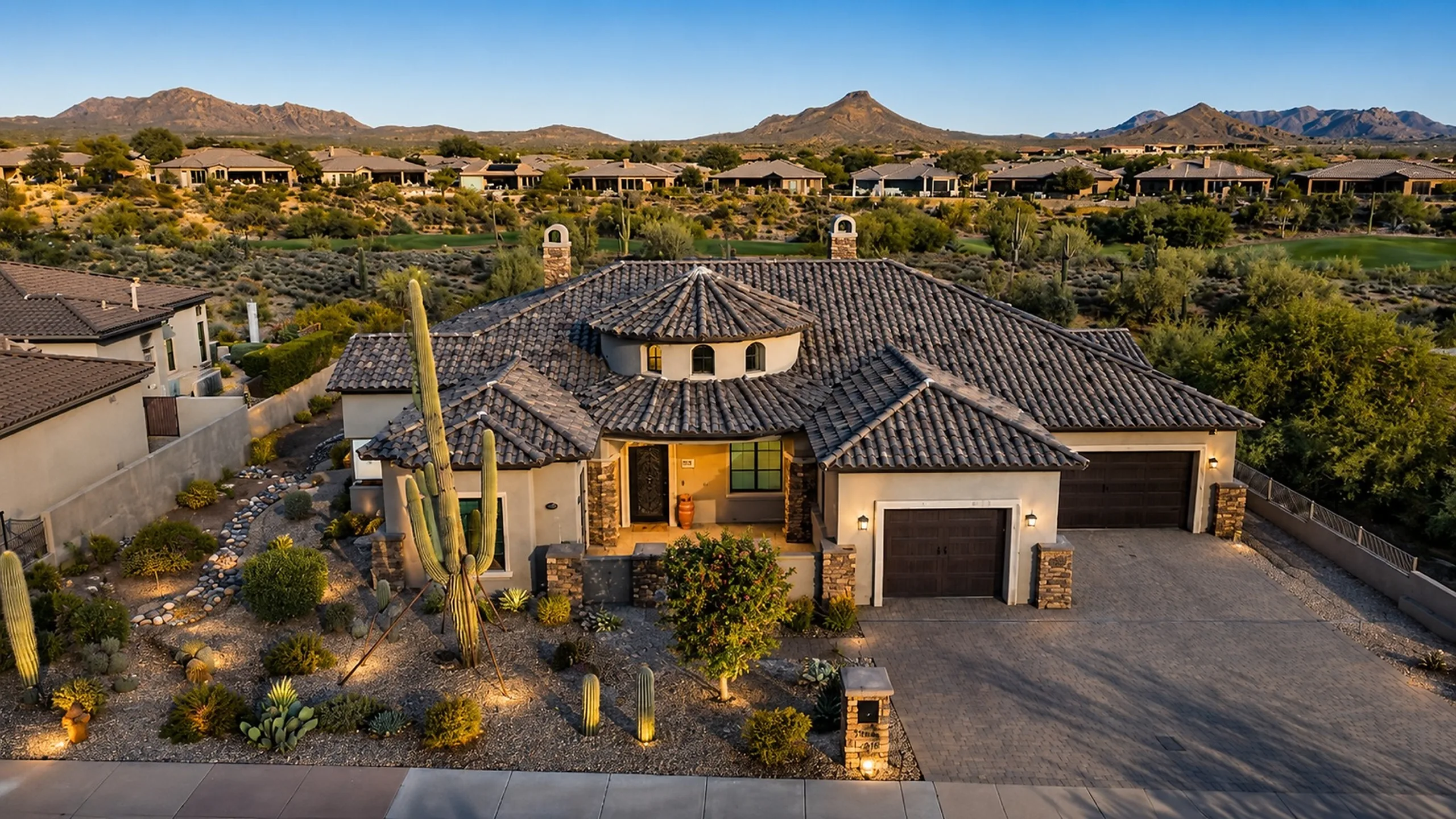
The short answer: If $1.5 million is the construction budget – excluding land and most soft costs – it can still create an excellent custom home in Scottsdale, but scope discipline matters. Current 2026 luxury construction ranges are often discussed around $500 to $700-plus per square foot, which points to roughly 2,100 to 3,000 square feet at that finish level. A simpler flat site, efficient architecture, and carefully controlled selections may stretch the budget farther; a hillside lot, complex structure, premium glazing, or estate-level finishes can reduce the finished square footage quickly.
A $1.5 million construction budget sounds very specific, but it can describe very different homes. The first home may be 3,500 square feet on a straightforward flat lot with disciplined architecture and finishes. The second may be 2,500 square feet with extensive glass, custom millwork, natural stone, steel, and a highly detailed interior. A third may be on a difficult site where a meaningful portion of the budget is spent before the finished floor even begins.
That is why the useful question is not simply, “How many square feet can I build for $1.5 million?” It is, “What kind of home do I want the $1.5 million to create?”
At Bella Legacy, we would rather begin with that distinction than force a client into a misleading single price-per-square-foot number. Square footage matters, but architecture, site, finish level, and complexity can move the budget just as much.
First, Define What “$1.5 Million Construction Budget” Includes
Before comparing numbers, define the budget. A construction budget may or may not include pool work, landscape, site walls, utility extensions, appliances, builder fee, sales tax, specialty systems, or exterior amenities. It generally does not include the land itself, and architecture, engineering, interior design, surveys, permits, financing, furnishings, and other soft costs may sit outside the construction contract depending on the project structure.
Two people can both say they have a $1.5 million budget while one is describing the house only and the other is describing the entire project. Those are not comparable numbers.
What Does $1.5 Million Translate to Per Square Foot?
Published 2026 Scottsdale-area planning ranges for high-end custom construction frequently fall around $500 to $700 per square foot, with exceptionally detailed homes and difficult sites moving higher. Using those figures only as a planning check, $1.5 million corresponds to approximately 3,000 square feet at $500 per square foot, about 2,500 square feet at $600 per square foot, or roughly 2,140 square feet at $700 per square foot.
That does not mean a $1.5 million Scottsdale custom home must be 2,100 to 3,000 square feet. A more efficient design on a straightforward lot can land below those luxury averages, while a hillside home with retaining walls, complex structure, expansive glazing, and highly customized interiors can exceed them quickly. The arithmetic is useful because it forces the conversation to become realistic early.
A $1.5 Million Budget Can Still Create a Very Special Home
Luxury does not require every room to be oversized or every surface to be the most expensive option available. A carefully planned custom home can feel exceptional because the spaces are proportioned well, natural light is controlled, circulation is easy, the main views are framed intentionally, and the materials are used where they matter most.
With a disciplined program, a $1.5 million construction budget could support a home with many of the features buyers expect in Scottsdale: a strong kitchen and great room, a thoughtful primary suite, multiple guest rooms, a dedicated office or flex room, generous indoor-outdoor connection, quality cabinetry and stone, good lighting, upgraded windows and doors, a well-considered garage, and an exterior that feels appropriate to the site.
The tradeoff is that not every feature can be treated as unlimited. The project needs priorities.
Three Illustrative Ways the Same Budget Can Behave
The following are not estimates or promises. They are examples of how the same construction dollars can be pulled in different directions.
Scenario A: More square footage, simpler complexity
A relatively flat and accessible lot, a compact one-story footprint, efficient structural spans, restrained roof geometry, a controlled amount of floor-to-ceiling glass, and a finish palette built around a few strong materials can allow more of the budget to become usable square footage.
Scenario B: Less square footage, richer interior detail
The owner may prefer a smaller home with custom cabinetry throughout, premium stone, higher-end plumbing and lighting, large-format doors, specialty ceilings, integrated automation, and a more elaborate kitchen. The budget creates a more detailed home rather than a larger one.
Scenario C: The site consumes the premium
A sloped or environmentally constrained site may require additional grading, retaining, drainage, foundation engineering, access planning, or landscape restoration. The finished house can still be beautiful, but fewer dollars remain for square footage and interior features because the site itself demands more construction.
The Five Decisions That Move a $1.5 Million Budget the Fastest
- The lot. Flat, accessible, utility-ready land behaves very differently from a hillside or wash-adjacent property.
- The shape of the home. Complex footprints, multiple roof levels, large cantilevers, long spans, and extensive structural steel are expensive before a finish is selected.
- Glass and openings. Large multi-slide doors and expansive window systems can become a major line item, especially when the structure around them also changes.
- Cabinetry, stone, and interior architecture. These are some of the easiest places for a beautiful design to quietly add hundreds of thousands of dollars.
- The exterior program. Pools, spas, ramadas, outdoor kitchens, retaining walls, hardscape, landscape, lighting, and site walls can consume a significant portion of an “all-in” budget if they are not separated clearly.
Where Should You Spend More?
If the budget is finite, spend first on the things that are difficult to change later: site planning, structure, room proportions, ceiling heights, windows and doors, mechanical performance, waterproofing, electrical capacity, and the architecture of the main spaces.
Finishes matter, but many finishes can be changed years later. Moving a structural wall, changing the foundation, enlarging a window opening, or correcting a poorly oriented great room is a different kind of project. A custom home budget is strongest when it protects the bones first.
Where Can You Be More Disciplined Without Making the Home Feel “Cheap”?
Consistency is often more luxurious than variety. Using one excellent flooring material through more of the home can feel calmer than changing materials repeatedly. A smaller number of well-designed cabinet elevations can feel more intentional than filling every wall. One dramatic stone application can have more impact than using expensive stone everywhere.
The same is true of square footage. Rooms that are too large often cost more to build, furnish, cool, light, and maintain without actually improving daily life. Thoughtful planning can make a 3,000-square-foot home feel far more generous than an inefficient 4,000-square-foot one.
Do Not Design a $2 Million House and Hope to Value-Engineer It to $1.5 Million
One of the hardest ways to build is to let the architecture and selections develop without a cost framework, then attempt to remove $500,000 after the design is complete. By that point, the home’s proportions, rooflines, glass, structure, cabinetry, and materials may all be built around a higher level of spending.
Value engineering works best when it happens during design. A six-foot reduction in a long exterior wall, a simpler roof, a more efficient structural grid, or an earlier decision about where custom millwork truly matters can save money without making the finished home feel compromised.
What a $1.5 Million Budget Usually Does Not Buy
At current Scottsdale luxury construction costs, a $1.5 million construction budget is generally not the same thing as an unlimited estate budget. A 5,000- to 7,000-square-foot home with complex architecture, extensive natural stone, custom millwork in every room, large steel and glass elements, fully built-out resort grounds, premium automation, imported materials, and no compromises is likely operating in a different cost category.
That distinction is useful, not discouraging. Knowing where the ceiling is allows the design team to put the money into the parts of the home the owner will appreciate most.
Frequently Asked Questions
Can I build a 4,000-square-foot custom home in Scottsdale for $1.5 million?
Possibly on a straightforward lot with efficient architecture and disciplined finish selections, but $375 per square foot is below many published 2026 luxury Scottsdale ranges. If the expectation is a highly customized luxury home, it is safer to test the design against current trade pricing before assuming 4,000 square feet will fit.
Does the $1.5 million include the lot?
Not in the examples in this article. The discussion assumes $1.5 million is the construction budget. Land and soft costs should be identified separately so the project is not comparing unlike numbers.
Should I choose the architect or builder first?
The strongest approach is often to involve both early. The architect protects the design vision, while the builder can test cost and constructability as the design develops. That reduces the chance of completing a beautiful set of plans that does not align with the intended investment.
Is cost per square foot a good way to choose a builder?
It is useful for broad planning but weak as a selection tool unless the scope and finish assumptions are identical. A lower number can simply exclude items that another builder included. Detailed scope and realistic allowances matter more than the headline rate.
The Goal Is Not to Maximize Square Footage. It Is to Maximize the Home.
A $1.5 million construction budget can create a beautiful custom residence in Scottsdale when the design begins with clear priorities. The question is not how many features can be squeezed into the number. It is which combination of space, architecture, materials, and site decisions will still feel exceptional years after the home is finished.
That is where early collaboration matters most. When budget is part of design rather than a surprise at the end of design, the home can become more focused, more coherent, and ultimately more personal.
Planning a Scottsdale custom home around a defined construction budget? Bella Legacy can help connect the homesite, design priorities, and investment early so the project starts with realistic choices instead of late compromises.